
Last updated October 16, 2026
 Wrought iron
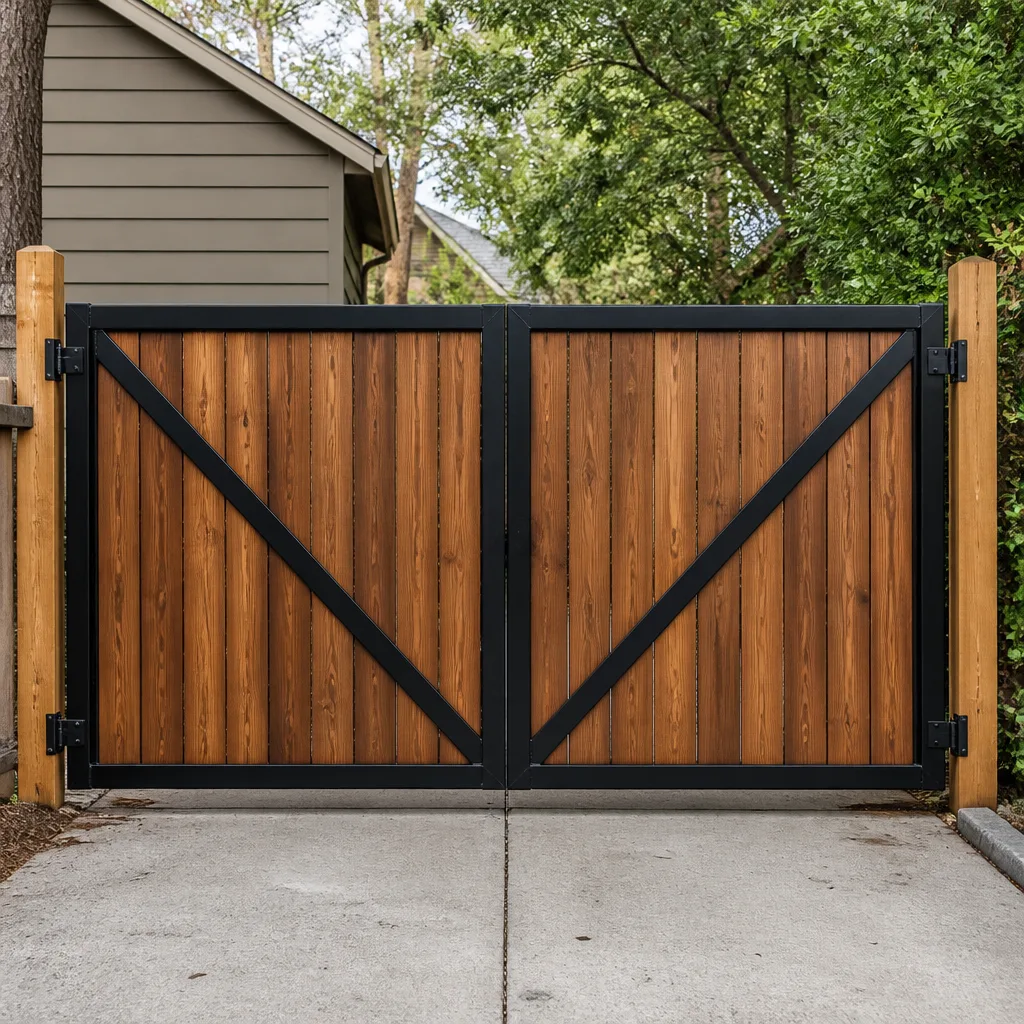 Wood & steel frame
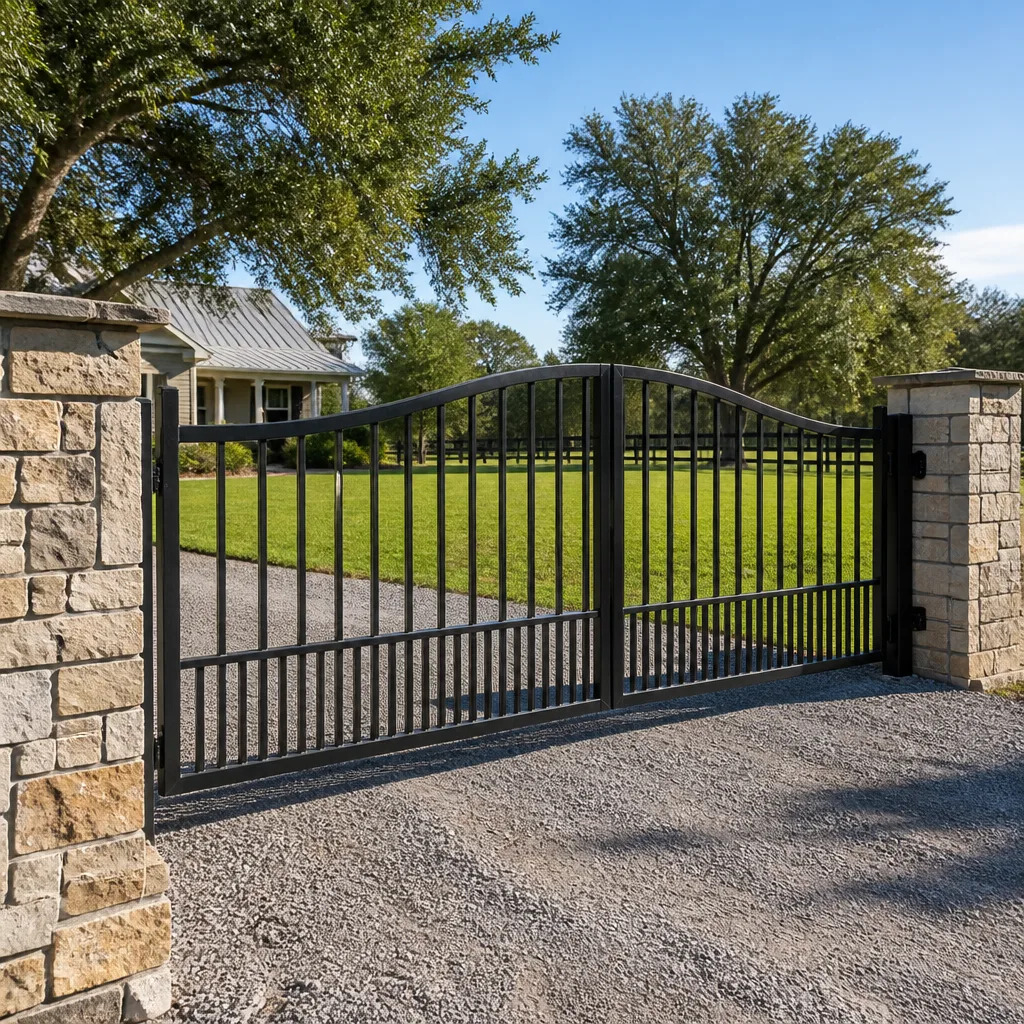 Farm & ranch
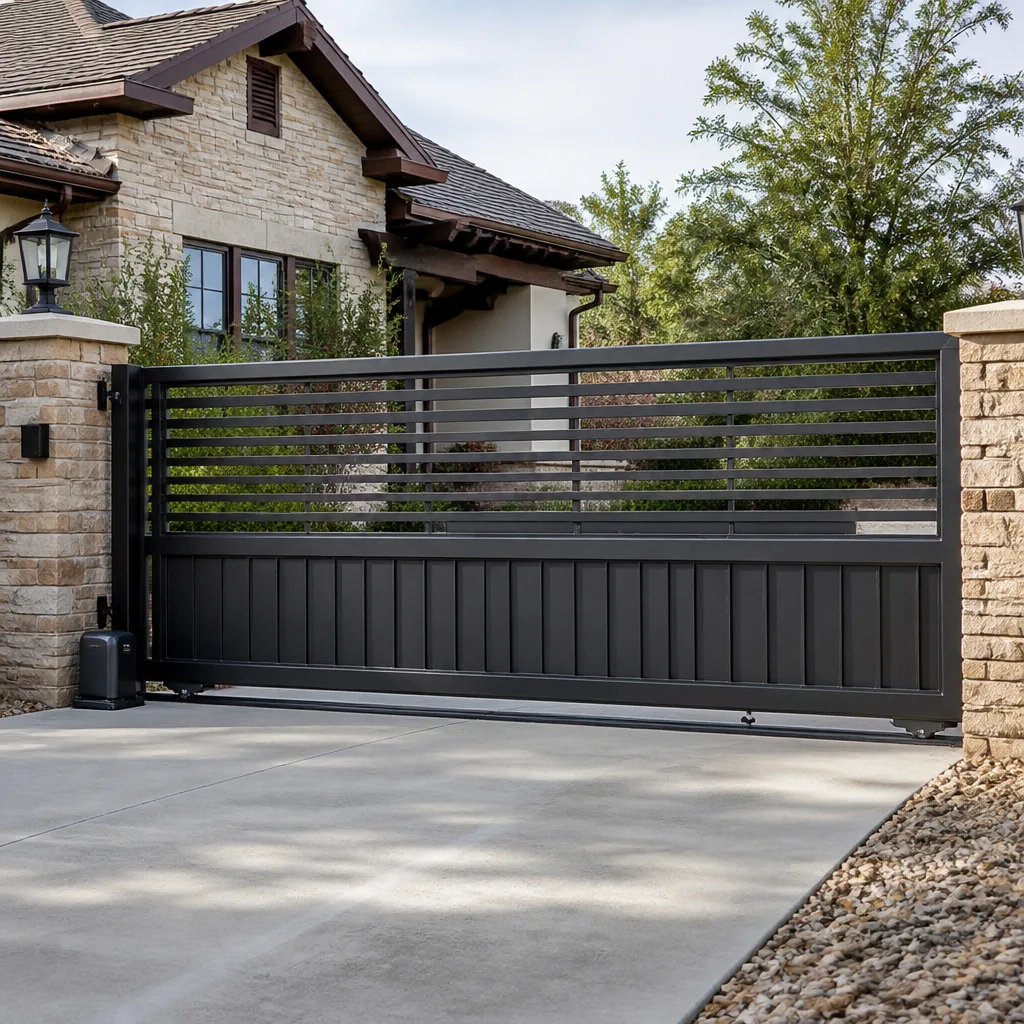 Sliding driveway gates
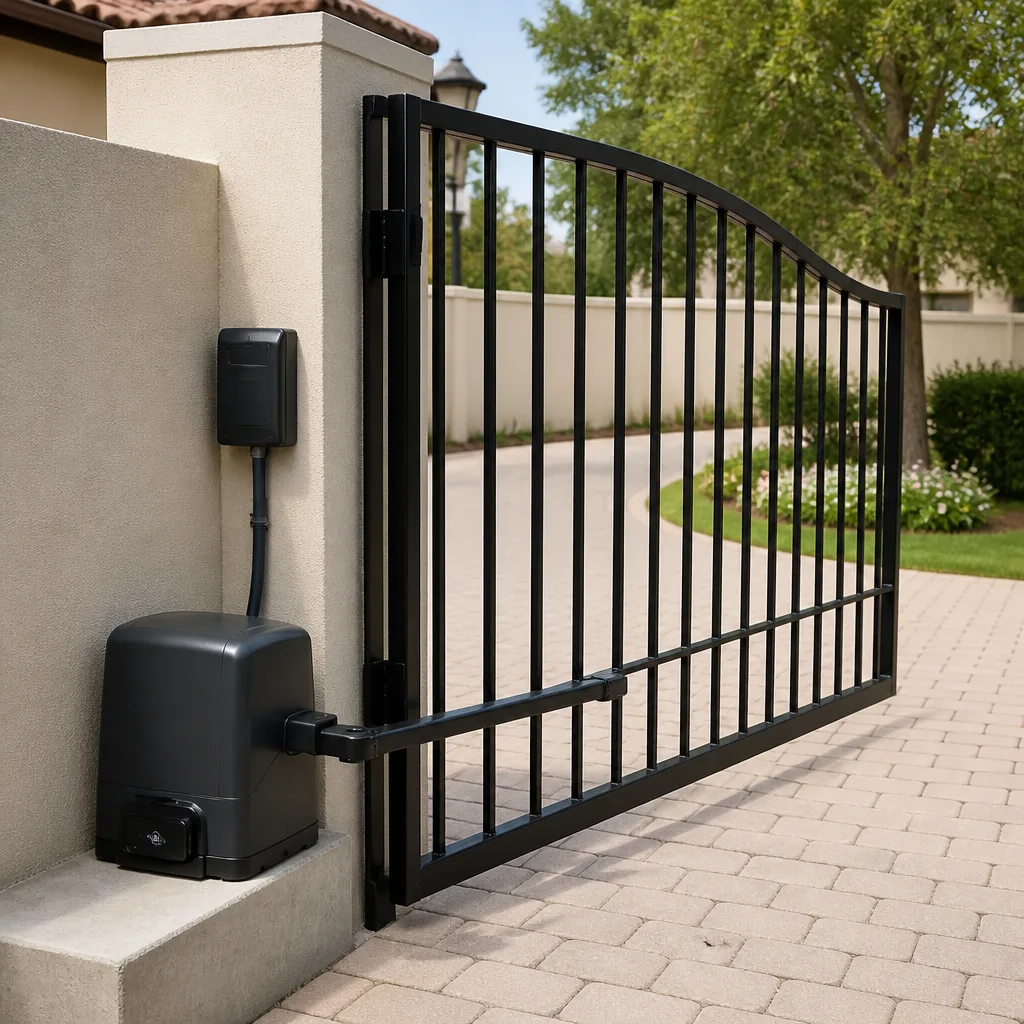 LiftMaster operators
Free on-site gate assessment - hinges, posts, and your LiftMaster or Nice gate operator checked before anything is quoted
The assessment is free and the quote is the invoice.
Get your free estimateGate Repair Maintenance Checklist for Fort Lauderdale Homeowners
WD-40 is the most-used and most-damaging product Fort Lauderdale homeowners spray on their gate rollers. It strips the coating that resists salt air within 60 days, turning a $12 maintenance visit into a $180 roller replacement. This guide is different from the generic checklists you’ll find elsewhere, and for more guides & resources like this one, visit our blog. We’re going to tell you exactly which lubricant to buy, which bolts to torque first after a rainy season, and how to run a monthly check in under eight minutes. By the time you finish reading, you’ll have a maintenance routine that actually fits a Fort Lauderdale schedule, not one you’ll archive and forget.
Quick Answer
A Fort Lauderdale gate maintenance checklist should include three things every month: a visual inspection of the rollers, track, and hinges for salt-air corrosion; a manual test of the gate’s balance and the opener’s force settings; and an electrical check of the safety sensors and control board for moisture damage. You’ll need a silicone-based lubricant rated for humidity, never WD-40, and you should log every maintenance action in a simple note or spreadsheet. The jobs that require a licensed Florida technician are any work on the high-tension springs, any rewiring of the opener’s power supply, and any adjustment of the safety sensor alignment that requires removing the housing. For Gate Repair Permits, Codes & Inspections in FL: What You Need to Know, check our detailed guide.
Styles & brands we work with
Table of Contents
- The 8-Minute Monthly Checklist
- Which Lubricants to Use (and Which Destroy Your Gate in Fort Lauderdale Humidity)
- Rainy Season and Tropical Storm Inspections
- How to Log Maintenance So Warranty Claims and Repairs Go Faster
- The Three Tasks That Require a Licensed Florida Technician
- Common Mistakes to Avoid
- When to Call a Professional
The 8-Minute Monthly Checklist
Most maintenance checklists fail because they’re too vague or too long. “Inspect the gate” isn’t a task. “Lubricate all moving parts” isn’t either, especially when the wrong lubricant causes more damage than none at all. Here’s a monthly routine that a Fort Lauderdale homeowner can actually finish before the coffee gets cold. We’ve timed it, and it runs about eight minutes for a single swing gate, ten for a sliding gate.
- Visual check of the gate’s leading edge (1 minute): Walk the full length of the gate and look for rust blooms, peeling powder coat, or white oxidation on aluminum. In Fort Lauderdale, salt air from the Atlantic works its way into any scratch or chip within weeks, not months. If you see bare metal, note it in your log.
- Roller and wheel check (90 seconds): For sliding gates, run your hand along each roller and feel for flat spots, wobble, or grit. For swing gates, check the hinge pins for vertical play. A roller that’s beginning to bind will hum or squeak before it fails completely.
- Manual balance test (2 minutes): Put the opener in manual release mode, usually a red cord or lever on the motor housing. Push the gate by hand. It should move smoothly with even resistance. If it binds at any point, or if a swing gate drifts open or closed on its own, the hinges or the gate’s weight distribution need attention.
- Safety sensor test (30 seconds): With the gate closed, wave a broom handle or rolled-up towel through the safety beam near the ground. The gate should reverse or refuse to close. If it doesn’t, that’s a call-worthy problem, not a note-and-forget.
- Lubrication (90 seconds): Apply a silicone-based dry lubricant to the roller bearings, hinge pins, and latch mechanism. Do not use WD-40. We covered why above, and we’ll go deeper in the next section.
- Control board glance (60 seconds): Open the control box and look for moisture beads, white residue, or discolored components. In Fort Lauderdale’s humidity, condensation inside a control box is the single most common cause of intermittent opener failure we see. Wipe up any moisture with a dry cloth and note it.
This routine catches about 80% of the failures we’re called out for on Gate Repair in Fort Lauderdale jobs before they become emergencies.
Which Lubricants to Use (and Which Destroy Your Gate in Fort Lauderdale Humidity)
Let’s be specific, because the generic advice to “lubricate moving parts” is worse than useless in South Florida. The wrong product attracts sand, traps salt, and accelerates the exact corrosion you’re trying to prevent.
Use: silicone-based dry lubricant. Brands like Blaster, 3M, or DuPont make sprays that go on wet, then dry to a film that doesn’t attract grit. This matters in Fort Lauderdale because our sand is everywhere, and a wet lubricant turns into grinding paste on your rollers within a week.
Use: white lithium grease for gear tracks only. If you have a sliding gate with a chain drive or gear rack, white lithium grease is the right choice for the rack and pinion. It stays put and resists wash-off. But keep it off the rollers and wheels.
Avoid: WD-40. It’s a solvent and moisture displacer, not a lubricant. It strips protective coatings, evaporates within days, and leaves bare metal exposed. On polyurethane rollers, which are standard on most Fort Lauderdale sliding gates, it causes the polyurethane to swell and crack. We replace rollers every month that were destroyed by a well-meaning can of WD-40.
Avoid: penetrating oils like PB Blaster. These are for freeing rusted bolts, not for regular lubrication. On gate components they wash out any remaining grease and leave the metal more vulnerable.
Avoid: heavy greases like axle or bearing grease. In Fort Lauderdale’s climate they hold sand and salt, and on a hot August afternoon they liquefy and drip onto the track, where they create a sticky mess that binds the gate.
The rule we teach our clients: if it sprays out thin and smells like solvent, it’s not a lubricant. If it sprays on wet and dries to a slick film, it’s right. When you’re applying any lubricant, less is more. A three-second burst on each roller bearing is plenty.
Rainy Season and Tropical Storm Inspections
Fort Lauderdale gets about 60 inches of rain a year, most of it between May and October. Every major storm, especially anything that brings wind-driven rain, leaves behind a specific set of problems on gate openers and control boards. Here’s what to inspect after every significant weather event, and what the findings actually mean.
Control board discoloration: Open the control box and look at the circuit board. A healthy board is uniform green or blue. White powdery residue means salt or mineral deposits from evaporated water, and it will eventually short the board. Brown or black scorch marks near the relays mean the board has already arced, and that’s a replacement, not a repair.
Moisture beads inside the control box: If you see condensation on the inside of the lid, your control box isn’t sealed properly. In Fort Lauderdale, this is a year-round issue, not just a storm issue. A box that fogs up after a storm will fog up every humid morning, and the moisture will eventually corrode the terminal connections.
Safety sensor alignment: Wind-driven rain and flying debris can knock the photo-eye sensors out of alignment. If your gate starts reversing for no reason, or refuses to close, check that the two sensors face each other directly. A misaligned sensor is a five-minute fix; a damaged one needs replacement. For anything electrical, you want the work done right the first time, which is why many homeowners call us for Electric Gate Repair in Fort Lauderdale rather than experimenting with wiring.
Track debris on sliding gates: After a storm, palm fronds, leaves, and sand accumulate in the track. Clear them out before running the gate. A gate that tries to roll over a palm frond will strain the motor, and repeated strain shortens the opener’s life.
Hinge and anchor bolts: The first things to torque after a Fort Lauderdale rainy season are the hinge bolts on swing gates and the anchor bolts on the gate post. Wet soil expands and contracts, and gates settle. Loose anchor bolts let the gate lean, which pulls the hinges out of alignment and loads the opener unevenly.
How to Log Maintenance So Warranty Claims and Repairs Go Faster
Your maintenance log isn’t just for you. It’s evidence. When a gate opener fails within its warranty period, the manufacturer will almost always ask for maintenance records. If you can show that you lubricated the rollers monthly, checked the sensors, and cleared the track after storms, your warranty claim gets processed. If you can’t, you’re at the mercy of a claims adjuster.
A useful log doesn’t need to be elaborate. A note on your phone, a simple spreadsheet, or even a paper notebook works. What matters is consistency and detail. Here’s what to record every time:
- Date and time of the check.
- What you inspected. Be specific: “roller bearings on left side,” not “the gate.”
- What you found. Even “no issues” is a data point.
- What you did. “Applied silicone lubricant to three roller bearings and both hinge pins.”
- Anything you noticed but didn’t fix. “Slight squeak from right hinge at full open.”
This last point is the one that speeds up technician diagnosis more than anything else. When a Fort Lauderdale homeowner calls us and says “I logged a squeak from the right hinge last month and now the gate’s leaning,” we know exactly where to start. We don’t have to spend 20 minutes hunting for the problem, and that saves money on diagnostic time.
For warranty claims, the log should show a monthly pattern going back at least a year. A single entry from last week won’t help. If you’re starting fresh today, start the log today and note that formal tracking begins this month. Most manufacturers will accept a record that begins recently, as long as it’s consistent from that point forward.
One more tip: photograph anything unusual. A picture of moisture inside the control box, a rusty roller, or a misaligned sensor takes five seconds to capture and gives your technician context they’d otherwise have to reconstruct.
The Three Tasks That Require a Licensed Florida Technician
There are maintenance tasks you can do safely, and there are jobs that belong to a licensed professional. In Florida, three specific gate maintenance tasks legally and practically require a licensed technician. Here they are, spelled out plainly.
- High-tension spring adjustment or replacement. Swing gates with counterbalance springs, and some sliding gates with tension springs, hold enormous stored energy. If a spring lets go while you’re adjusting it, the force is enough to break bones or worse. This isn’t a cautious suggestion; it’s a safety line you should not cross.
- Any rewiring of the opener’s power supply. Gate openers run on 120V or 240V AC at the supply side, and some have battery backup systems. Opening the electrical service panel, running new wire, or splicing into existing circuits requires a licensed electrician in Florida. Doing it yourself voids the opener’s UL listing, jeopardizes your homeowner’s insurance, and in the worst case, starts a fire inside a metal box full of electronics.
- Safety sensor alignment that requires removing the housing. Basic alignment, where you nudge the sensor back into position, is a homeowner job. But if the sensor housing is cracked, the internal bracket is bent, or the wiring is exposed, that’s a repair, not an alignment. The sensors are the primary safety mechanism that stops your gate from closing on a child or a pet. Cutting corners here isn’t worth the risk.
For any of these three, call a licensed gate technician or a licensed electrician. The Gate Opener Repair in Fort Lauderdale work we handle for all major brands, including LiftMaster, Mighty Mule, DoorKing, and Elite, always starts with a written price before we turn a single bolt, so you know what you’re signing up for.
Common Mistakes to Avoid
- Spraying WD-40 on rollers and hinges. We named this at the top, and it bears repeating. WD-40 strips the coating that resists salt air, and within two months you’ll have rust bloom and swollen rollers. A $7 can of the wrong product creates a $180 repair.
- Ignoring a gate that’s slightly out of level. A small lean today means the opener motor is working against gravity every single cycle. That extra load runs 24/7, and it quietly kills openers three or four years early in Fort Lauderdale, where the humidity already works against moving parts.
- Skipping the manual balance test. If you never release the opener and push the gate by hand, you won’t know that a hinge is binding or a roller is flattening until the opener fails. The manual test is the single most diagnostic thing in this entire checklist.
- Using heavy grease on the track. Heavy grease in Fort Lauderdale humidity turns into a sand magnet. Within a week, the track is coated in an abrasive paste that wears down both the rollers and the drive gear.
- Leaving debris in the track after a storm. Palm fronds and wet leaves pack down into the track, and the next time the gate cycles, it grinds them into the mechanism. Ten minutes of cleanup after a storm saves real money.
- Adjusting force settings to compensate for a binding gate. When a gate starts binding, some homeowners turn up the opener’s force setting so it pushes through the resistance. That’s the worst possible response. The binding gets worse, the motor works harder, and the safety sensors are effectively bypassed because the gate will now push through an obstruction instead of reversing.
- Not keeping any maintenance record at all. We covered this in the logging section, but the mistake is common enough to repeat. No log means no warranty leverage, and no maintenance log means your technician starts every visit from zero.
When to Call a Professional
Call a technician when the gate makes a new sound that doesn’t go away, when the opener trips its breaker more than once, when the gate reverses for no visible reason, or when you see scorch marks, burn smells, or moisture inside the control box. Also call when you’ve been meaning to catch up on maintenance for six months and you’d rather start fresh. Calder Gate Repair Fort Lauderdale offers our Gate Repair services with free estimates in Fort Lauderdale, and we’re the dedicated gate repair specialist inside the Relay Home Co. family. Call (754) 354-2542 and you’ll speak to a live person, not a voicemail. Every job gets a written price before work starts, and every repair carries our 365-Day Done Right Promise: if the repair fails within 365 days, we return at no charge. We’re factory-familiar with LiftMaster, DoorKing, Elite, and Mighty Mule openers, and our technicians arrive in uniform with a live, trackable arrival time.
When you call, a real person answers. That’s not a scheduling gimmick; it’s how the Relay Standard works. You’ll get a live arrival time before the tech leaves our shop, before-and-after photos while the work is happening, and a digital invoice you can pay from a link when the job is done. No phone tag, no vague four-hour windows, no surprise line items.
See the difference
 Before
 After
After Before
 After
After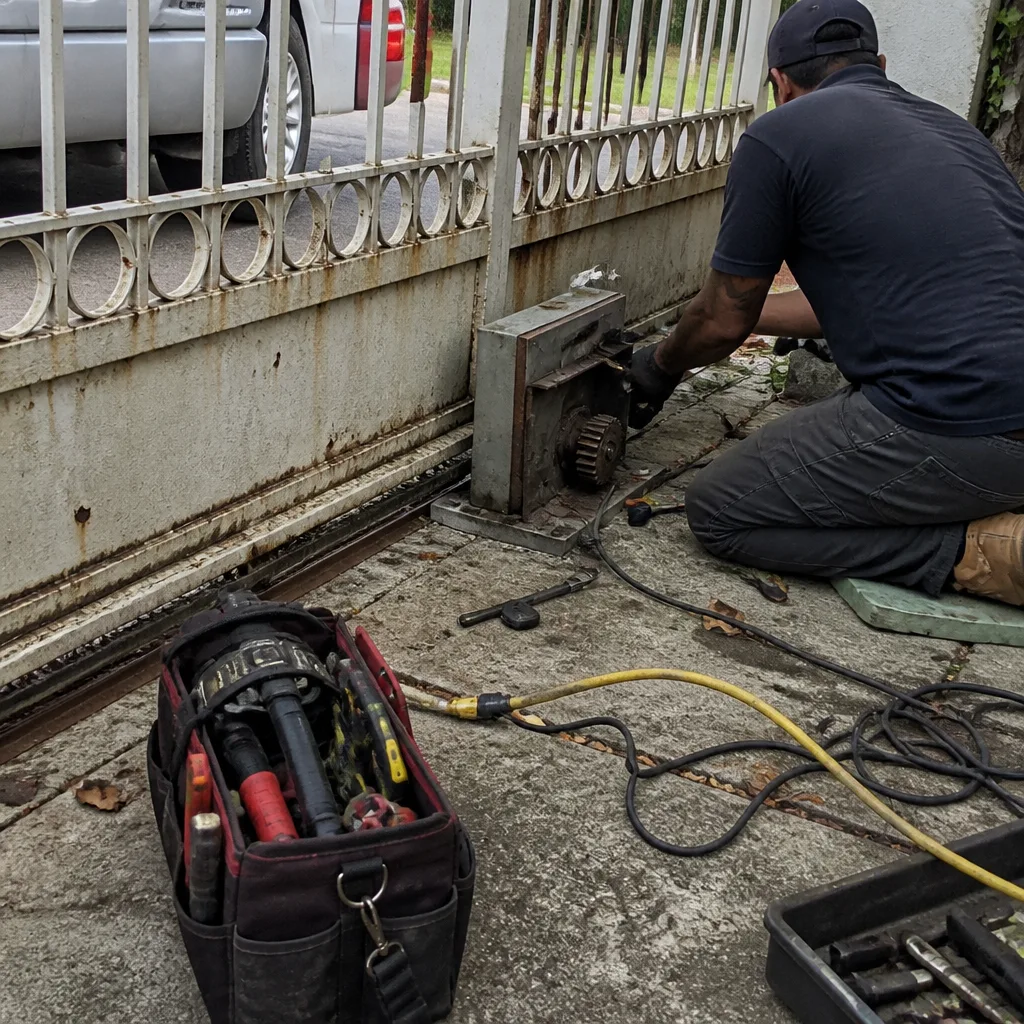 Before
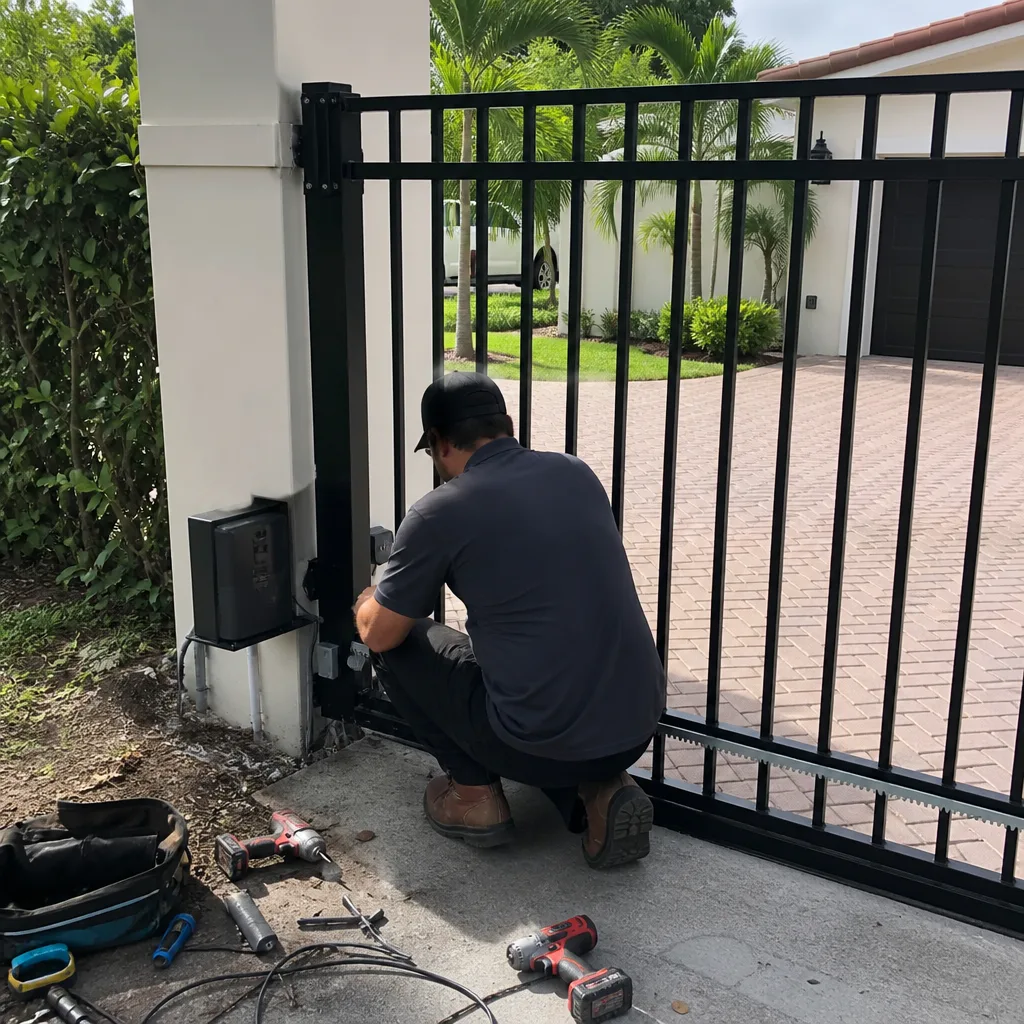 After
AfterFrequently Asked Questions
Every 30 days. Fort Lauderdale’s salt air and humidity mean lubricants break down faster here than in drier climates. A silicone-based dry lubricant applied monthly to the roller bearings, hinge pins, and latch mechanism is the right cadence. Every 30 days also matches the monthly checklist we outlined above, so it’s easy to bundle the lubrication step into your existing routine.
Use a silicone-based dry lubricant. It goes on wet and dries to a slick film that doesn’t attract sand or salt. Avoid WD-40 and penetrating oils, which strip protective coatings and leave bare metal exposed to Fort Lauderdale’s salt air. If you’re unsure which product to buy, look for “dry silicone” on the label, or call us at (754) 354-2542 and we’ll tell you exactly what to pick up.
A professional gate maintenance visit in Fort Lauderdale typically runs $120 to $250, depending on the gate type and what’s included. A basic inspection with lubrication and sensor alignment sits on the lower end. A full service that includes track cleaning, torque checks, and control board inspection lands around $200 to $250. For opener repairs, most jobs run $180 to $340 before parts, depending on the brand and the failure. Calder Gate Repair Fort Lauderdale always gives you a written price before work starts, so you know the number before we touch a single bolt. Call (754) 354-2542 for an exact quote.
You can handle the monthly visual, manual, and lubrication checks yourself. The tasks that require a licensed Florida technician are high-tension spring work, any rewiring of the opener’s power supply, and safety sensor repairs that require removing the housing. If you’re comfortable with a spray lubricant and a few minutes of observation each month, you’ll catch most problems before they become expensive. For anything electrical or spring-related, call a professional.
Heavy rain in Fort Lauderdale introduces moisture into the control box, and that moisture shorts electrical connections or corrodes the circuit board over time. The control box should be sealed, but over years of sun and heat, the gaskets degrade and the box leaks. If your opener fails after rain, open the box and look for moisture beads, white residue, or scorch marks. Any of those findings means the board has been compromised, and the fix usually involves replacing the board and resealing the enclosure.
We’re factory-familiar with nine major gate opener brands, including LiftMaster, FAAC, BFT, Linear, Viking, Ghost Controls, DoorKing, Elite, and Mighty Mule. That covers virtually every opener a Fort Lauderdale homeowner is likely to own. If you have a different brand not on that list, call us anyway; our technicians have worked on dozens of less common openers over the years, and we’ll tell you honestly if we can help. You can reach a live person at (754) 354-2542 any time, day or night.
The Bottom Line
Your Fort Lauderdale gate needs eight minutes a month. That’s the entire ask. A silicone-based dry lubricant, a quick visual check, a manual balance test, and a sensor test. Log what you find, clear the track after storms, and never spray WD-40 on anything that moves. The jobs that need a licensed technician are the springs, the wiring, and any sensor housing repair. Everything else, you can handle. If you’d rather have a professional handle the monthly chore, or if you’ve found something in this guide that matches a problem on your own gate, Calder Gate Repair Fort Lauderdale is a phone call away. The number is (754) 354-2542. A live person answers, and your price is in writing before any work begins.
Written by Nico Alvarez, Owner at Calder Gate Repair Fort Lauderdale, serving Fort Lauderdale since 2009.