
Last updated October 16, 2026
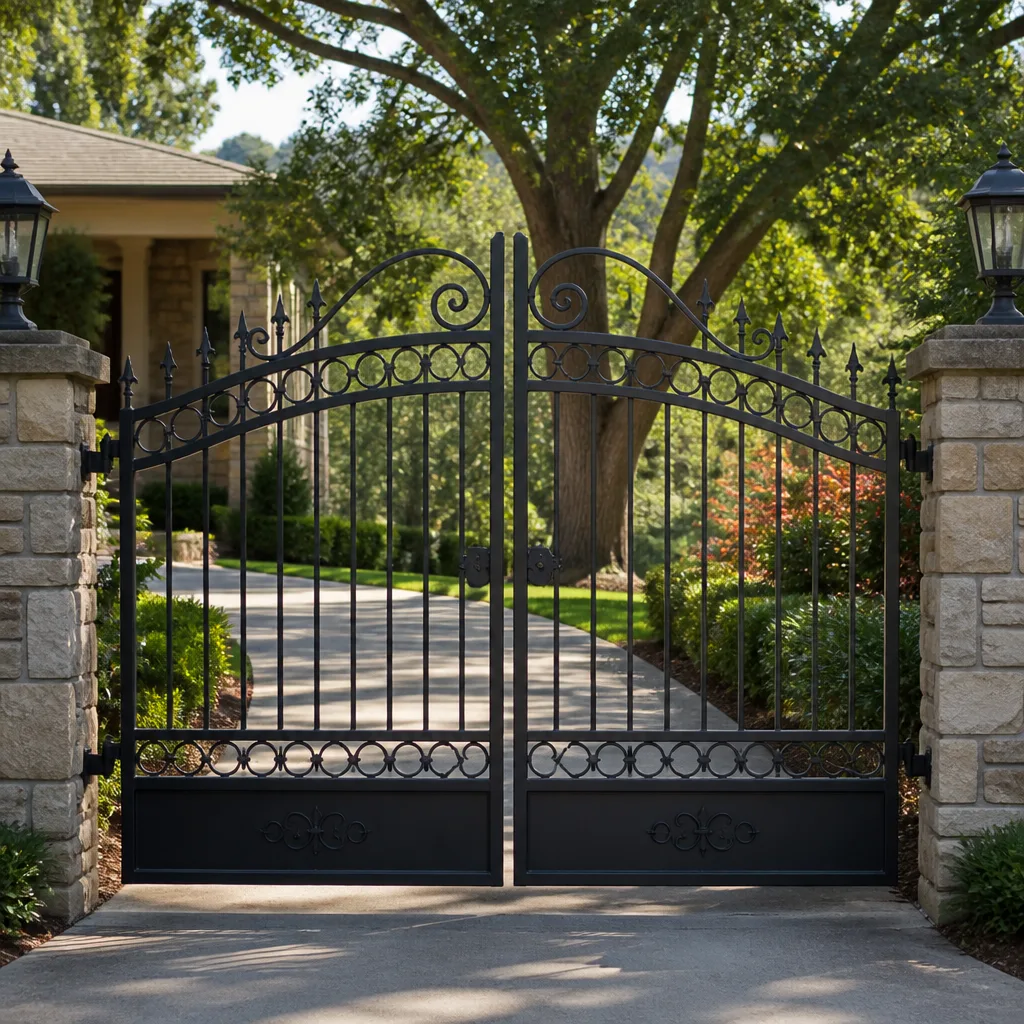 Wrought iron
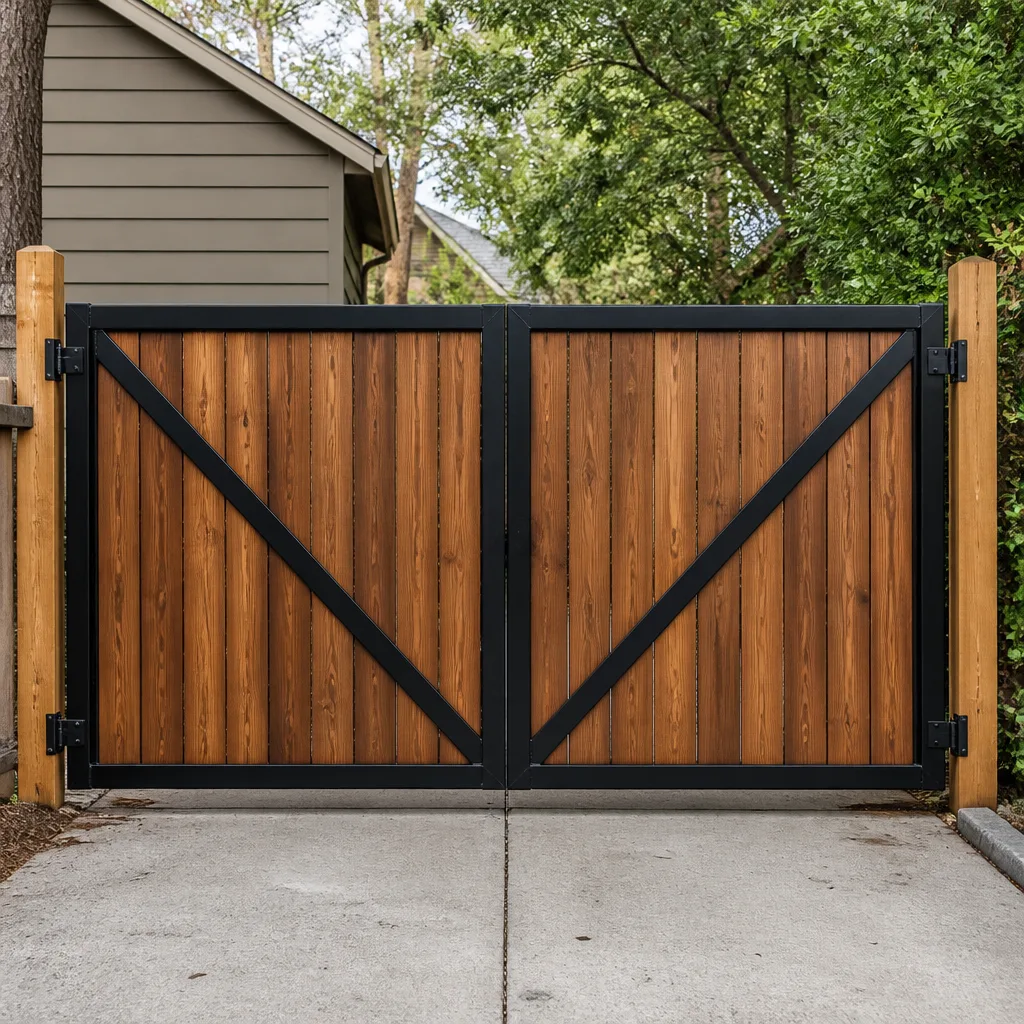 Wood & steel frame
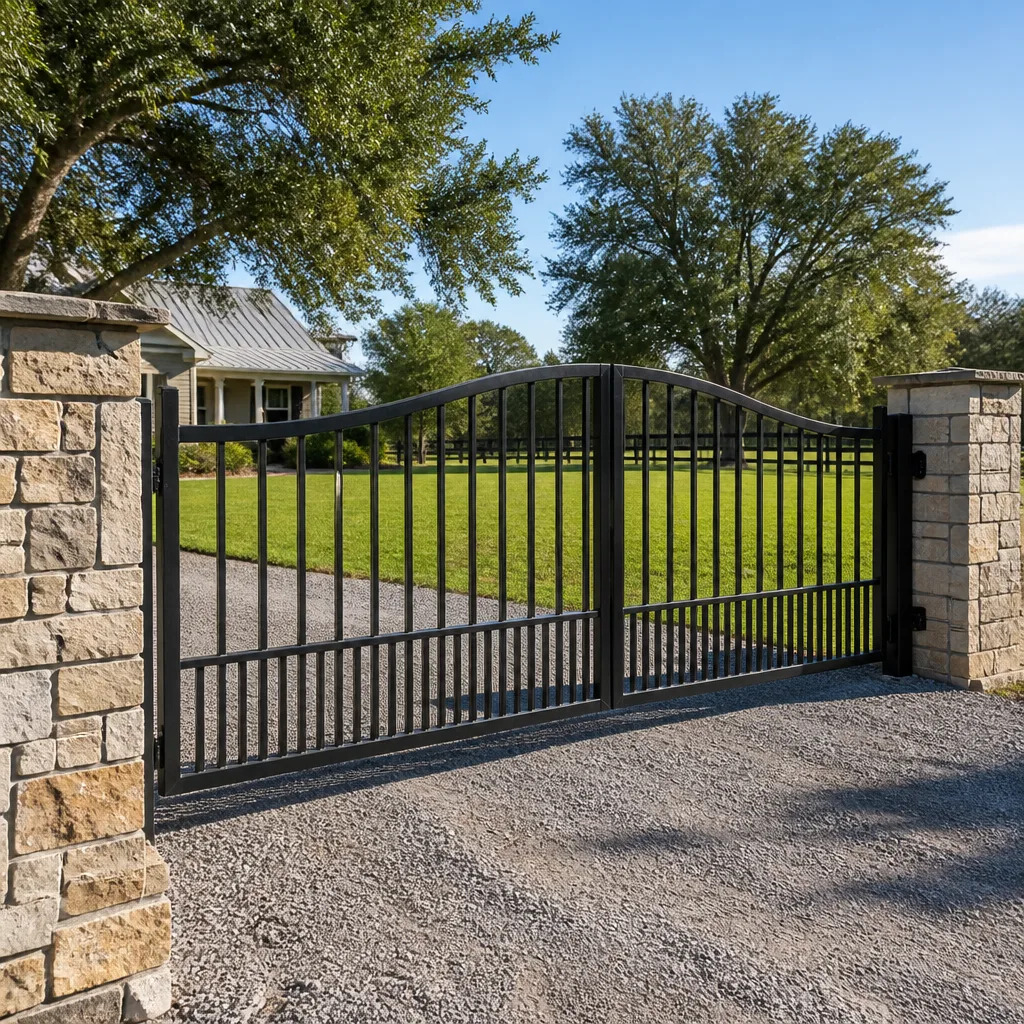 Farm & ranch
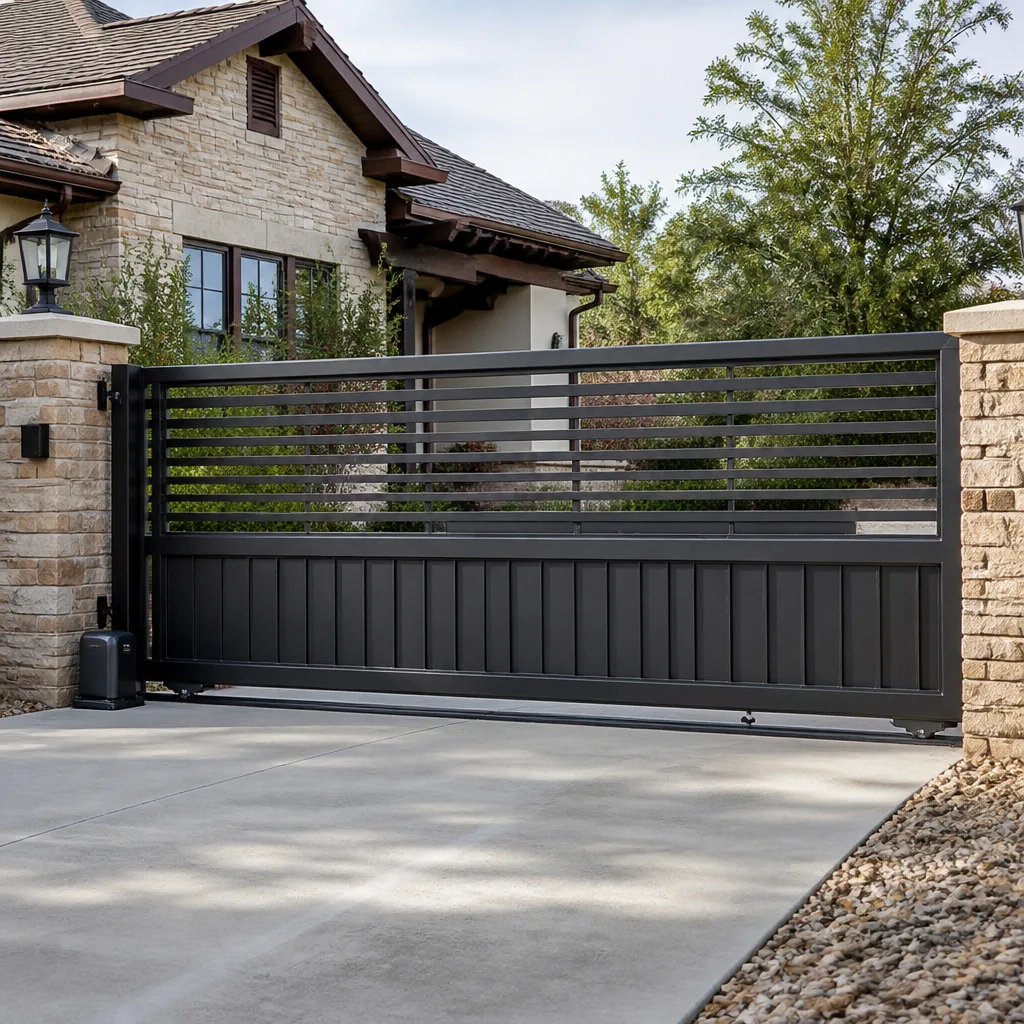 Sliding driveway gates
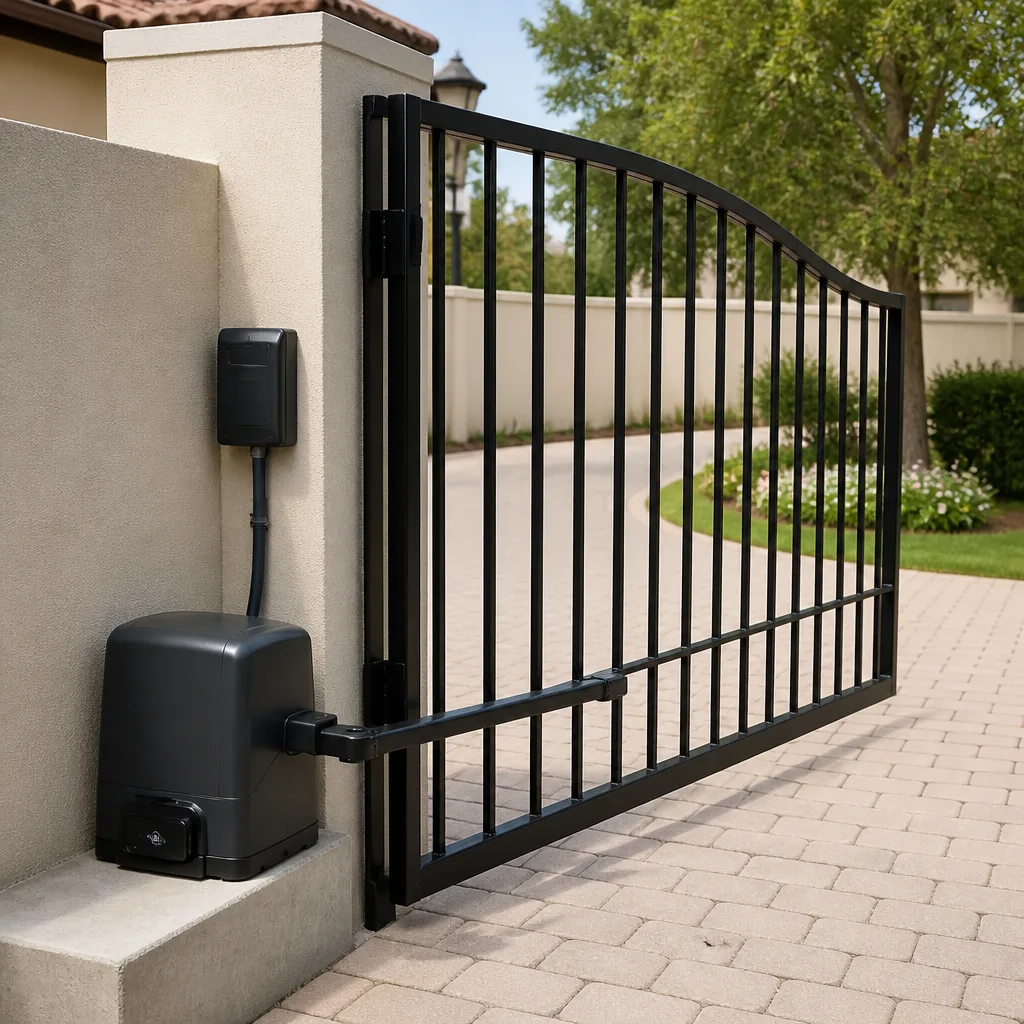 LiftMaster operators
Free on-site gate assessment - hinges, posts, and your LiftMaster or Nice gate operator checked before anything is quoted
The assessment is free and the quote is the invoice.
Get your free estimateGate Repair Permits, Codes & Inspections in FL: What You Need to Know
A Broward County homeowner sat at a closing table three years after replacing their gate motor, only to learn the job required an electrical permit that was never pulled. The sale stalled. The buyer’s lender wouldn’t fund until the county signed off, and the seller ended up escrowing $4,000 to resolve the unpermitted work before the deal could close. That single afternoon cost more than the original repair. This guide explains where the repair-versus-improvement line actually sits in Florida, how Broward County enforces it, what inspectors check on gate openers, and how to fix an unpermitted job before it becomes a closing-table emergency. Fort Lauderdale’s covenant-heavy neighborhoods add an HOA layer most guides skip, so we cover that too.
Quick Answer
In Florida, like-for-like gate repairs – replacing a hinge, rewiring a photo eye, swapping a capacitor with the same part – generally do not require a permit. The moment the work changes the gate’s structure, moves the opener, upgrades to a bigger motor, or runs new electrical branch wiring, most counties including Broward treat it as an improvement that requires a building or electrical permit. Since enforcement and interpretation vary by municipality, the safest move is to ask the contractor to state in writing whether the job is like-for-like, and if not, to name the permit holder before any work starts.
Styles & brands we work with
Table of Contents
- The Repair vs. Improvement Line in Florida
- How Broward County Draws the Threshold
- Florida’s Electrical Code and Low-Voltage Gate Wiring
- HOA Approval vs. Municipal Permit in Fort Lauderdale
- How to Request a Retroactive Permit in Broward County
- What a Final Inspection Actually Checks
- What Permits Cost and Who Pulls Them
- Common Mistakes to Avoid
The Repair vs. Improvement Line in Florida
Florida’s permitting framework is built on a simple idea that gets complicated fast: maintenance keeps a thing working the same way it worked before, while improvement changes what the thing is or how it performs. The Florida Building Code defines repair as restoring a component to its original condition or function. Replace a cracked gate wheel with an identical wheel and no permit is needed. Replace that same wheel with a wider, heavier-duty wheel that changes the gate’s load or track geometry, and the county may now call it a modification.
Here’s what makes gates uniquely tricky: a powered gate is three permitting systems in one. It’s a structure (the gate leaf and posts) governed by the building code. It’s an electrical installation (the opener, capacitor, control board, and wiring) governed by the National Electrical Code as adopted by Florida. And it’s a life-safety device (the entrapment protection: photo eyes, contact edges, force settings) governed by UL 325, which Florida enforces through local inspection. One gate repair can move across all three categories, and a single job can be partly permissible without a permit and partly not.
In practice, Florida counties treat the following gate repairs as maintenance, meaning no permit:
- Replacing a gate hinge, wheel, or roller with the same size and type.
- Swapping a broken keypad or remote receiver without changing the wiring path.
- Rewiring an existing photo eye using the original circuit.
- Replacing a capacitor, limit switch, or battery with the same-rated part.
- Adjusting force settings and travel limits on an existing opener.
And these typically trigger a permit as an improvement:
- Installing a new gate or a new motor where one didn’t exist.
- Changing from a swing gate to a slide gate, or vice versa.
- Upgrading a motor to a higher horsepower or a different voltage class.
- Running new branch circuit wiring from the panel to the opener.
- Widening the gate opening, which changes the structural loads on the posts.
The line is not always intuitive. In our work around Fort Lauderdale, we’ve seen homeowners assume that because the gate physically fits in the same spot, it’s automatically a repair. The county cares less about the footprint and more about what changed electrically and structurally. That distinction is the one that costs people money later.
How Broward County Draws the Threshold
Broward County follows the Florida Building Code but applies its own local amendments and enforcement style. The county’s Board of Rules and Appeals, known as BORA, publishes local interpretations that define the repair-versus-improvement boundary for residential work. The practical threshold Broward inspectors use for gates is this: if the contractor must alter the existing structure, move the opener, or run new electrical, it’s a modification. If the work restores the original function using the same paths and ratings, it’s a repair.
Here’s a real Fort Lauderdale example from a home in Victoria Park. The homeowner had a 12-volt swing gate opener with a dead motor. The repair that required no permit: replacing the board and motor with the same-rated parts and keeping the existing conduit and wire gauge. The version of the same job that required a permit: the homeowner wanted a stronger motor after years of the gate struggling, so the contractor installed a higher-horsepower 24-volt unit that required a new, heavier-gauge wire run and a dedicated breaker. That’s not theoretical. That’s the exact scenario where a closing agent calls with bad news years later.
Broward also draws the line on the gate’s structural posts differently than some neighboring counties. If a post must be dug out, re-set, or reinforced, the county views that as structural alteration, even if the gate leaf itself is reused. Soil movement in Fort Lauderdale, with its high water table and sandy base, leads settled posts more often than inland counties see, and re-setting a post is precisely the kind of work that gets flagged during a home inspection. If the post repair changes the embedment depth or uses a larger footing, the building department wants to see it.
The safest way to know which side of the line your job falls on: ask the gate contractor to write the classification on the estimate. “Like-for-like replacement, no permit required” or “Modification, permit required, pulled by [party].” A contractor who won’t put that in writing is making you carry the risk. We stamp it on every Gate Repair services quote in Fort Lauderdale because it protects the homeowner exactly as much as it protects us.
Florida’s Electrical Code and Low-Voltage Gate Wiring
Most residential gate openers run on 12-volt or 24-volt DC power, which creates a common misperception: that low-voltage work never needs an electrical permit. That’s wrong in Florida. The state adopts the National Electrical Code, and NEC Article 300 covers wiring methods regardless of voltage. The low-voltage wiring from the transformer to the gate motor, and especially the 120-volt feeder from the breaker panel to the transformer, is governed electrical work. The low-voltage side has fewer restrictions, but it is not exempt.
The specific issue that triggers a licensed electrician in Broward is the branch circuit that powers the opener. If the job touches anything from the transformer back to the panel – meaning a new circuit, a new breaker, a new conduit run, or even tapping an existing circuit in a way that changes its load – the county wants a licensed electrical contractor on the permit. A gate technician who is not a licensed electrician can legally replace the motor, the board, and the low-voltage control wiring, but the moment the work crosses into the line-voltage side, Florida law draws a hard line.
Here’s the practical sequence for a gate opener replacement in a Fort Lauderdale home:
- The gate technician mounts the new operator and connects the low-voltage control components: photo eyes, keypad, safety edges, and opener arm.
- If the existing branch circuit and transformer are in good condition and stay untouched, the electrical permit may not be required at all.
- If the transformer must be replaced or relocated, and especially if new wiring runs from the panel, a licensed electrician must perform that portion under an electrical permit.
- The inspector verifies the connection, grounding, GFCI protection where the code requires it, and the final wiring before the job closes.
In our work on BFT and Viking openers around Fort Lauderdale, we frequently coordinate the low-voltage side while a licensed electrician handles the feeder. Splitting responsibility this way is normal and code-compliant, but it only works when both parties are named on the permit. An unlicensed technician touching the 120-volt side is a code violation that will surface in a permit search during escrow.
HOA Approval vs. Municipal Permit in Fort Lauderdale
In covenant communities, the HOA approval process and the municipal permit are separate gates, and skipping either one creates a different kind of problem. The city or county cares about safety and code: structure, electrical, equipment ratings. The HOA cares about design and conformity: gate height, material, color, and placement. Fort Lauderdale has one of the highest concentrations of gated and covenant-governed communities in Broward County, from Rio Vista to Coral Ridge to the HOA-heavy corridors west of the Turnpike.
The common failure sequence we hear from Fort Lauderdale homeowners, as detailed in our Gate Repair Warning Signs: A Fort Lauderdale Homeowner’s Reference Guide, goes like this: a gate motor fails on a Friday. The homeowner calls a repair company. The technician replaces the motor with a similar unit and leaves. Nobody tells the homeowner that the community’s architectural committee required approval for any change to the gate assembly, even a motor replacement. The HOA manager notices the new unit six months later and sends a violation letter. The homeowner now has a working gate and a noncompliant file, and the HOA can assess fines or require reversal of the work.
The rule that covers most Fort Lauderdale communities: check the HOA’s architectural guidelines before the work, not after. The municipal permit answers the question of whether the work is legal. The HOA approval answers whether the work is allowed in that community at all. A job can be fully code-compliant and still violate the covenants. And because HOAs keep records that closing attorneys request, an unresolved HOA violation creates nearly the same closing-table problem as an unpermitted building job.
The sequence that avoids both problems:
- Pull the HOA’s architectural standards for gates and openers before scheduling the repair.
- If the job needs approval, file the application with photos and the contractor’s plan. Most Fort Lauderdale HOAs respond within 14 to 30 days.
- Determine with the contractor whether the municipal work is like-for-like or a modification requiring a permit.
- Complete the work, then close the loop by documenting both the HOA approval and the permit sign-off for your home file.
One distinction worth knowing: HOA approval is a private covenant matter. It has nothing to do with the city’s building department, and the building department won’t enforce or check HOA rules. You must handle both tracks separately, and neither covers the other.
How to Request a Retroactive Permit in Broward County
If a previous gate job in your Fort Lauderdale home was done without the required permit, the fix is not to hope nobody notices. It’s to file for a retroactive, or “as-built,” permit before the issue reaches a closing table. Broward County allows homeowners to pull permits after the fact, though the process includes an inspection and may require opening walls or conduit to expose the work for the inspector.
The Broward County retroactive permit process follows this general sequence:
- Call the county’s Building Code Division or the municipality’s building department if your home is in a self-permitting city like Fort Lauderdale proper, and explain that you need an as-built permit for existing residential gate work.
- The department will classify the permit: a building permit if the gate structure was changed, an electrical permit if the wiring or opener power was changed, or both if the job covers both scopes.
- A contractor or homeowner-owner-builder completes the permit application and pays the fee, which includes a penalty for the work having been done without a permit, typically a double fee or a set late-filing charge.
- The inspector visits the home, checks the gate and opener against current code, and writes correction items if anything fails: undersized wire, missing GFCI protection, noncompliant photo eyes, incorrect force settings.
- Once corrections are completed and the reinspection passes, the county issues the permit final, and the work becomes part of the home’s legal public record.
The inspection itself is the part homeowners underestimate. The county is not rubber-stamping the work because it already exists. The inspector verifies that the installed work meets code as it sits today, not the code that was in force when the work was done. A gate installed five years ago under an older code may need photo eye repositioning, wire upgrades, or a new ground rod before the county will sign off retroactively.
The sooner you file, the lower the stress. A retroactive permit request during a closing is doable, but it forces the seller into whatever timeline the county has available, and in Broward that can be two to six weeks depending on the municipality and inspector backlog. Filing the same request a year before you list the house removes the entire problem from the transaction.
What a Final Inspection Actually Checks
When a gate opener installation or a structural gate modification gets a permit, the job ends with a final inspection. Knowing what the inspector checks removes the mystery and prevents a failed inspection that costs another visit. In Fort Lauderdale and across Broward County, these are the items inspectors verify for powered gate work:
- UL 325 compliance on entrapment protection. The inspector confirms the gate has working photo eyes or contact edges at the correct heights, and that the system has been tested for entrapment sensing in both directions.
- Force settings. The gate must reverse when it encounters resistance. The inspector may use a force gauge or may visually verify that the opener reverses under light pressure.
- Stop points and travel limits. The gate must not overshoot its open or closed stops. Limit switches must be adjusted correctly, and the gate must sit level at both ends of travel.
- Grounding and bonding. The opener’s metal frame, the gate posts, and the transformer must be grounded per NEC. A missing ground is one of the most common correction items.
- GFCI protection. The circuit feeding the opener must have ground-fault protection where the code requires it. Many older Fort Lauderdale homes lack GFCI on the gate circuit, and the inspector will flag it.
- Conduit and wire condition. Exposed wiring must be inside approved conduit, and the wire gauge must match the motor’s amp draw. Undersized wire is a fire code issue and fails inspection.
- Post integrity. For any structural gate work, the inspector verifies the footings and posts are stable, properly embedded, and appropriate for the gate’s weight and wind load.
Wind load matters in Fort Lauderdale more than in inland cities. The South Florida wind zone adds design pressure requirements to large gates, and inspectors in Broward are stricter about post footing sizes than inspectors in Central Florida. A tall, solid gate leaf in a coastal zone acts like a sail, and the county knows it.
A quality gate contractor provides this checklist before the inspection. We walk through it with every permitted Calder Gate Repair installation in Fort Lauderdale. The inspector’s visit should feel like a formality, not a guessing game. When we finish a Linear or Ghost Controls opener install, the checklist above is already satisfied before the inspector arrives.
What Permits Cost and Who Pulls Them
Broward County permit fees are based on the value of the work, and residential gate permits typically land in a predictable range. For a gate opener replacement that requires an electrical permit, the fee is generally $150 to $400, but most municipalities assess a minimum rather than the value-based fee for small jobs. A structural gate modification with new posts or a widened opening can push the permit to $500 or more, depending on the declared job value. Fort Lauderdale proper has its own building department and fee schedule, so the cost differs slightly from unincorporated Broward or a city like Hollywood or Davie.
Who pulls the permit matters legally. The permit holder is the party responsible to the county. When a contractor pulls the permit, the contractor’s license is on the line, which gives the homeowner real leverage if the work is noncompliant. When the homeowner acts as owner-builder, the liability shifts entirely to the homeowner, including workers’ compensation exposure if a worker is injured on the job. Florida allows owner-builder permits, but most homeowners are better served having the contractor pull it.
The cleanest arrangement: the gate contractor names the permit status on the written estimate, states who pulls it, and includes the permit fee as a line item. No hidden charges, no surprise at the door. At Calder Gate Repair Fort Lauderdale, every quote states whether the work is like-for-like, or if it’s a modification, which permit applies and who carries it. You know the full cost, including the permit fee, before the first bolt comes off.
Common Mistakes to Avoid
- Assuming low voltage means no permit. You saw the explanation above. The low-voltage side has limited permitting, but the feeder and any new circuit work are governed. Fort Lauderdale inspectors see this assumption weekly.
- Not checking the HOA before upgrading. A motor swap that looks identical to you may be an architectural change in your community’s view. The HOA violation letter arrives after the work, and now you’re paying to fix a fully legal repair.
- Hiring an unlicensed technician for line-voltage work. Any work on the 120-volt feeder requires a licensed electrician. An unlicensed handyman touching that side creates an unpermitted electrical condition you will pay for at resale.
- Skipping the permit to save $300. The retroactive permit later costs more than the original fee after late-filing penalties and corrections. The Fort Lauderdale escrow example from the top of this guide is the $4,000 version of this mistake.
- Not keeping the permit records. The permit final and the HOA approval belong in your home file. When you sell, a clean paper trail prevents the closing delay. Buyers and lenders ask, and “the contractor said it was fine” doesn’t close a loan.
- Treating the inspector as an adversary. The inspector’s job is to confirm safety. A failed inspection is a correction list, not a judgment. Fix the items, get the reinspection, and move on. It’s the path every compliant house already took.
When to Call a Professional
The honest answer: any time the job touches the gate’s structure, the opener’s power wiring, or a motor change that isn’t a straight like-for-like swap. That covers most of what homeowners try to tackle with a YouTube video and a Friday afternoon. The dangerous part isn’t usually the mechanical labor. It’s the code liability you create without knowing it, that surfaces years later during a sale. If your Fort Lauderdale gate needs a new motor, a post reset, a wiring upgrade, or you suspect previous work wasn’t permitted, start with a company that names the permit status on paper. Gate repair in Fort Lauderdale should always begin with a classification of the job, not just a price. Calder Gate Repair Fort Lauderdale offers free estimates across Fort Lauderdale and the surrounding Broward County area; call (754) 354-2542 and we’ll tell you plainly whether the work is like-for-like or needs a permit, and what the inspector will want to see.
Frequently Asked Questions
No, if the repair is like-for-like: the same motor rating, same wire path, same mounting, no new circuit. Yes, if the work upgrades the motor, runs new electrical, changes the gate structure, or alters the opener’s location. Ask the contractor to name the classification in writing before scheduling.
Expect $150 to $400 for a basic electrical permit on a gate opener job, or $500 or more for structural gate work. The fee depends on the declared job value and your municipality, since self-permitting cities like Fort Lauderdale proper set their own schedule.
Yes, Broward County processes retroactive permits, called as-built permits. You’ll pay the permit fee plus a late-filing penalty, and an inspector will verify the installed work meets current code. Corrections may be required before the permit final issues.
In many covenant communities, yes, even if the city doesn’t require a permit. Check your community’s architectural guidelines before the work. An HOA violation and a municipal permit are separate tracks, and a code-clean job can still violate the covenants.
The inspector verifies UL 325 entrapment protection, force settings and auto-reverse, limit stops, grounding and bonding, GFCI protection, conduit integrity, and post stability. For structural work, the inspector also checks footing size and embedment depth, which matters in Fort Lauderdale’s wind zone.
Either can, but the contractor pulling it is the stronger position for you, because the contractor’s license is then accountable to the county. Owner-builder permits shift all liability to the homeowner. Whatever you choose, the permit fee should be a line item on your written estimate before any work starts. Calder Gate Repair Fort Lauderdale includes that line item on every permitted job; call (754) 354-2542 for a written quote.
The Bottom Line
Florida’s gate permitting confusion comes from one shifting line: repair versus improvement. Like-for-like repairs stay permit-free. Structural changes, motor upgrades, and any new electrical work cross into permit territory, and Broward County enforces the line strictly, especially in Fort Lauderdale’s wind zone and covenant communities. The retroactive permit process exists, but it costs more than the original fee and adds the stress of a time-constrained inspection, as the $4,000 escrow story at the top shows. The fix is uncomplicated: get the permit classification in writing before the job, check the HOA if one governs your home, keep every approval in your file, and when in doubt, use a contractor who names the permit holder on the estimate. That one habit prevents nearly every gate permit problem a Fort Lauderdale homeowner is likely to face. For more guides & resources, visit our blog.
For electric gate repair in Fort Lauderdale or gate opener repair in Fort Lauderdale with a clear permit status on every quote, contact Calder Gate Repair at (754) 354-2542. The estimate is free, and you’ll know before a single part is ordered whether the work needs a permit or stays like-for-like.
Written by Nico Alvarez, Owner at Calder Gate Repair Fort Lauderdale, serving Fort Lauderdale since 2009.
See the difference
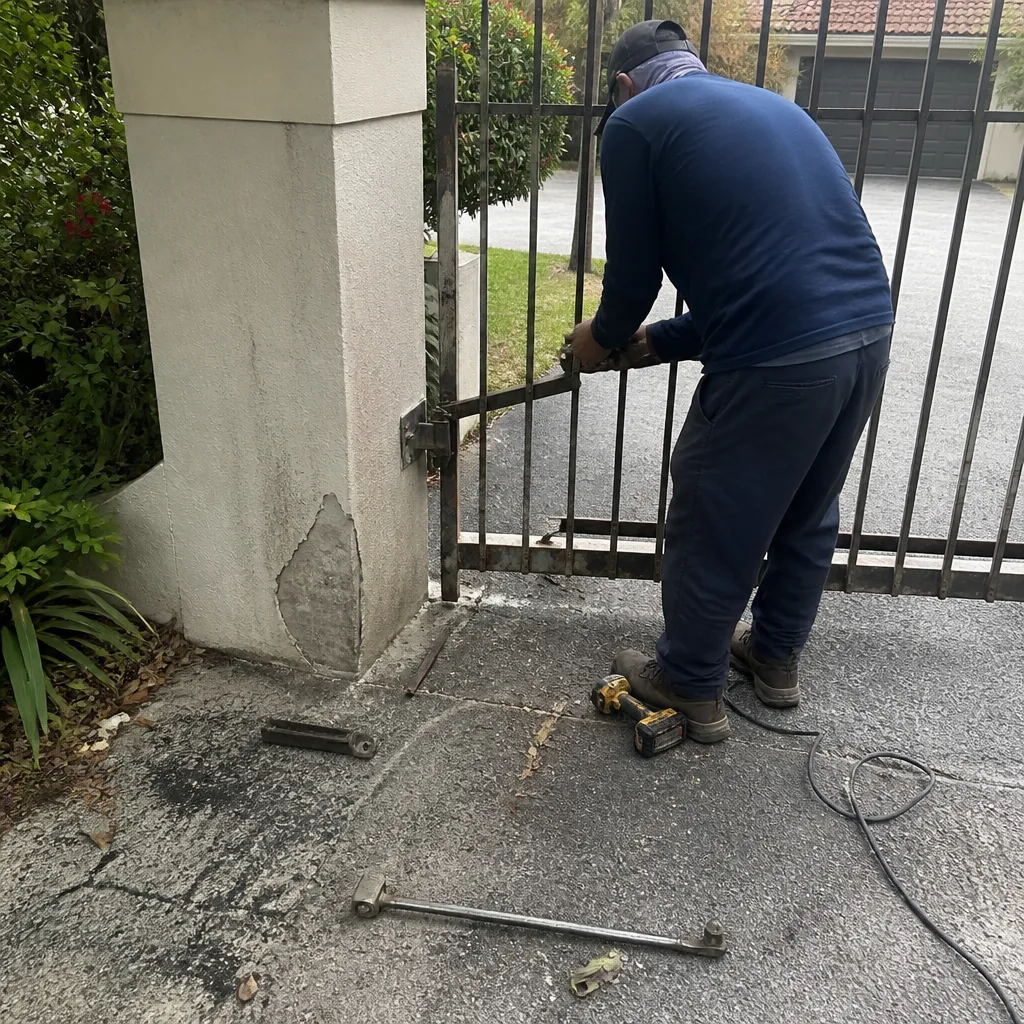 Before
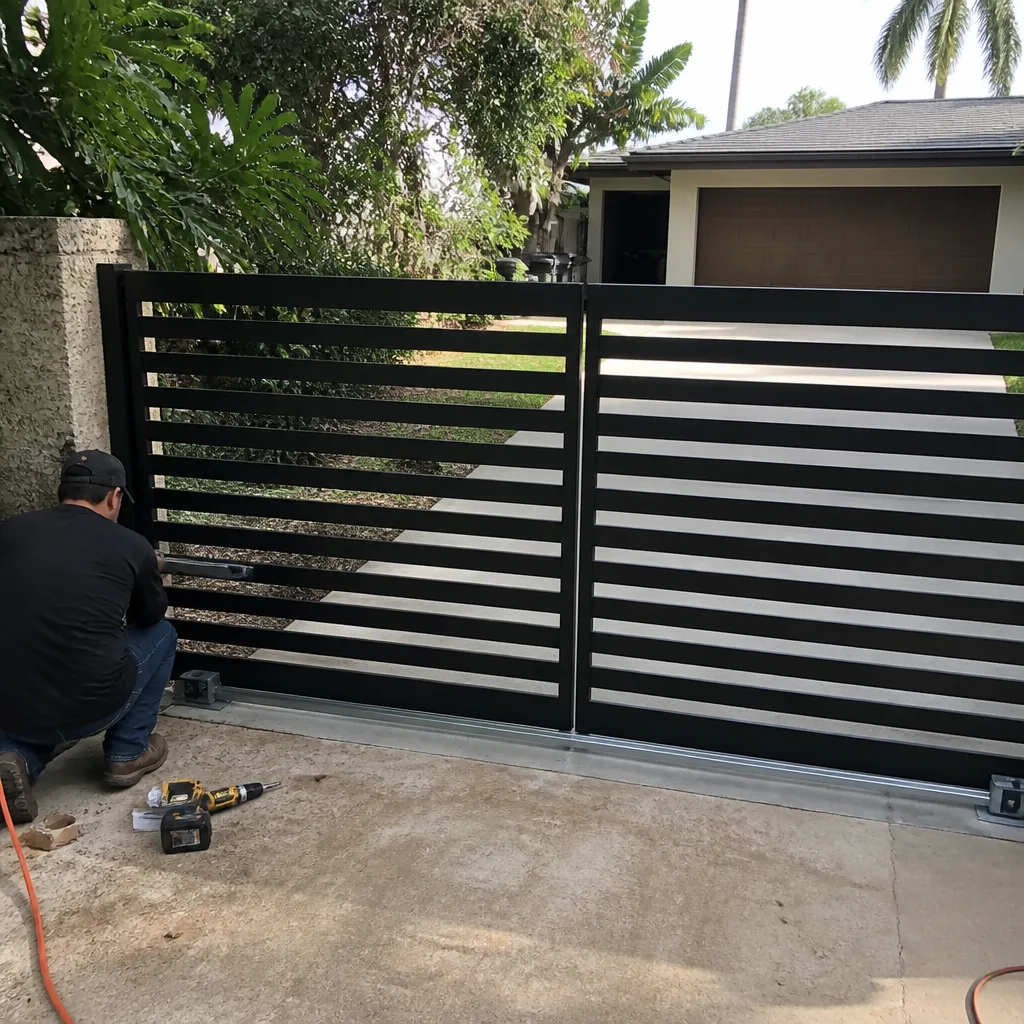 After
After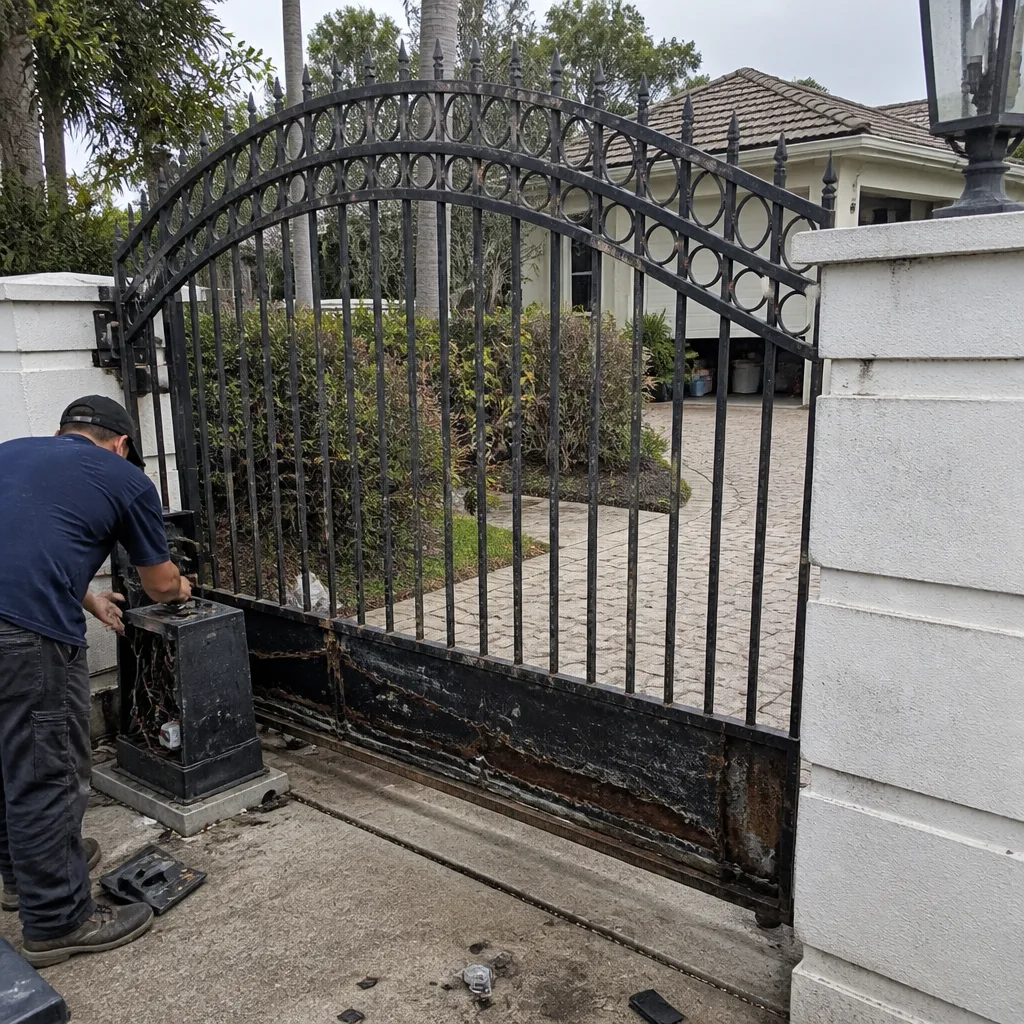 Before
 After
After Before
 After
After