
Last updated October 16, 2026
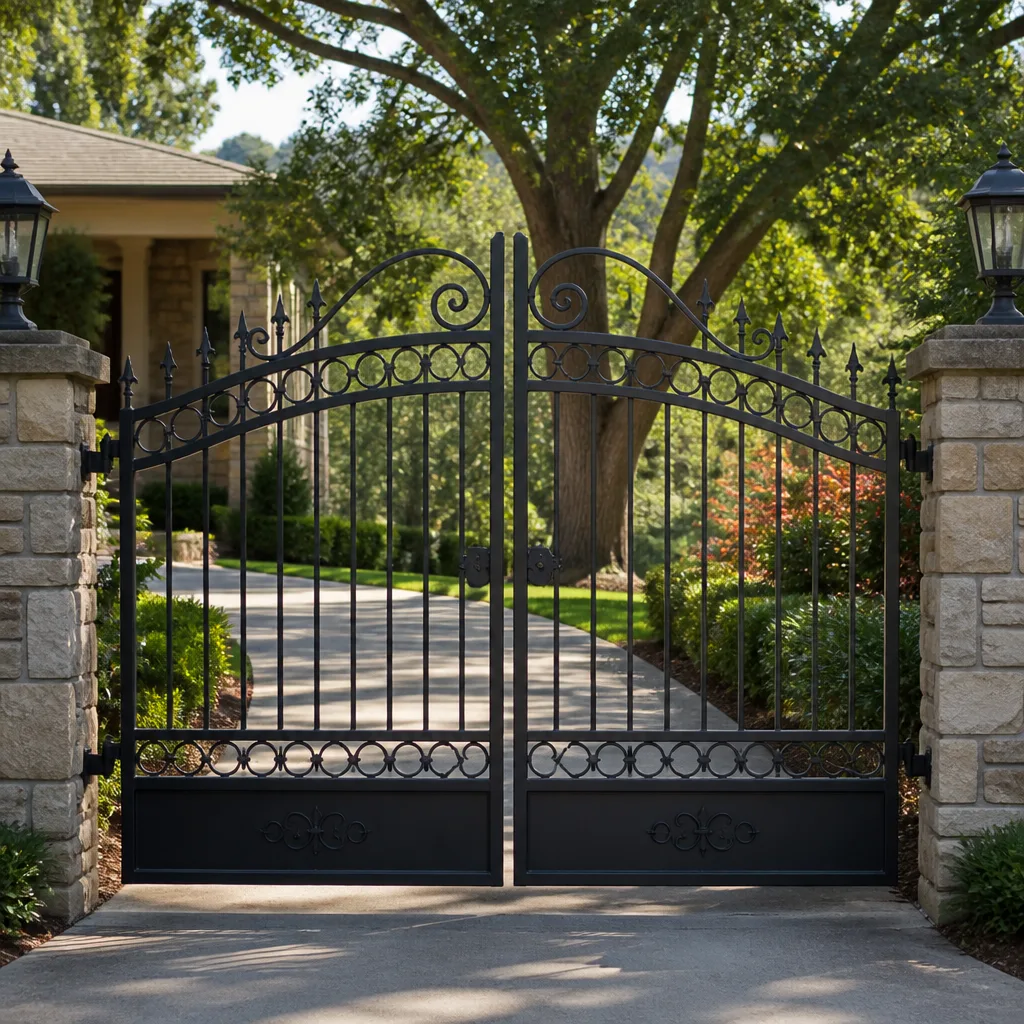 Wrought iron
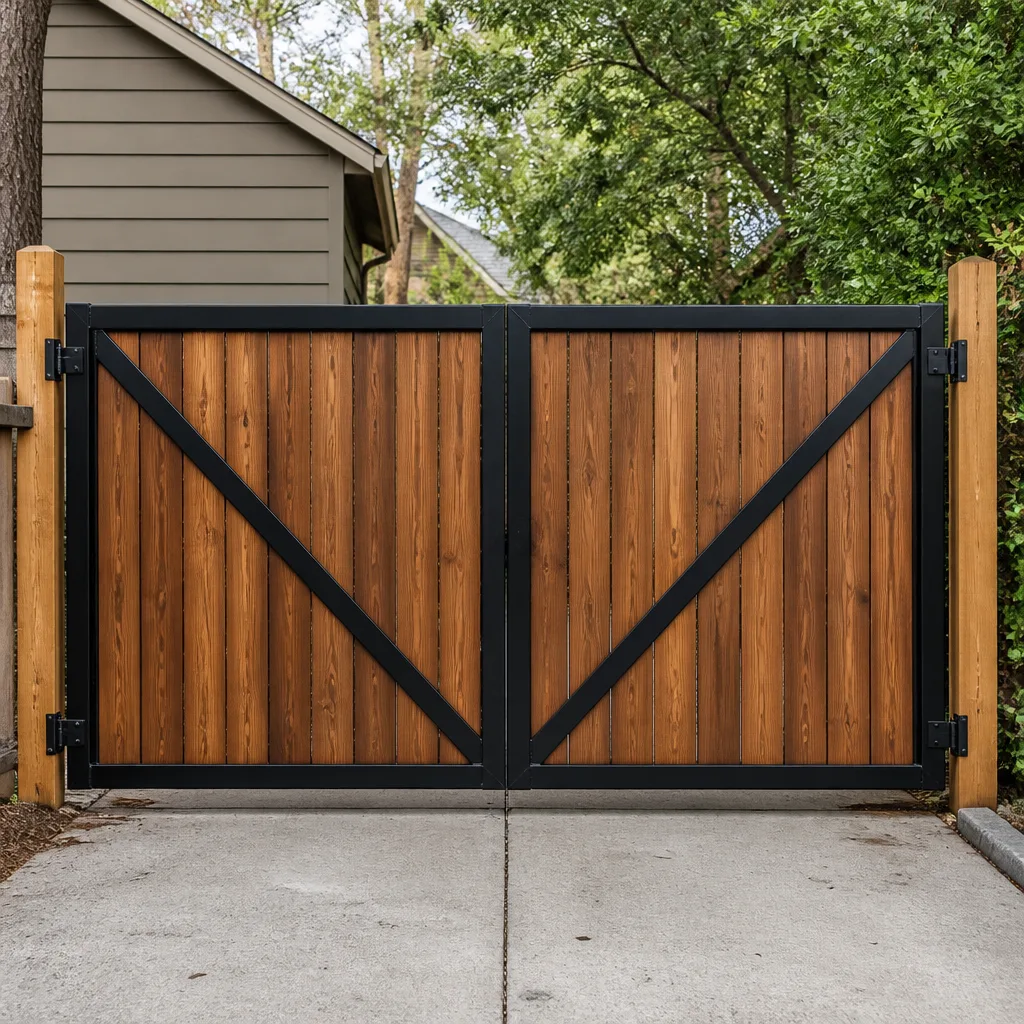 Wood & steel frame
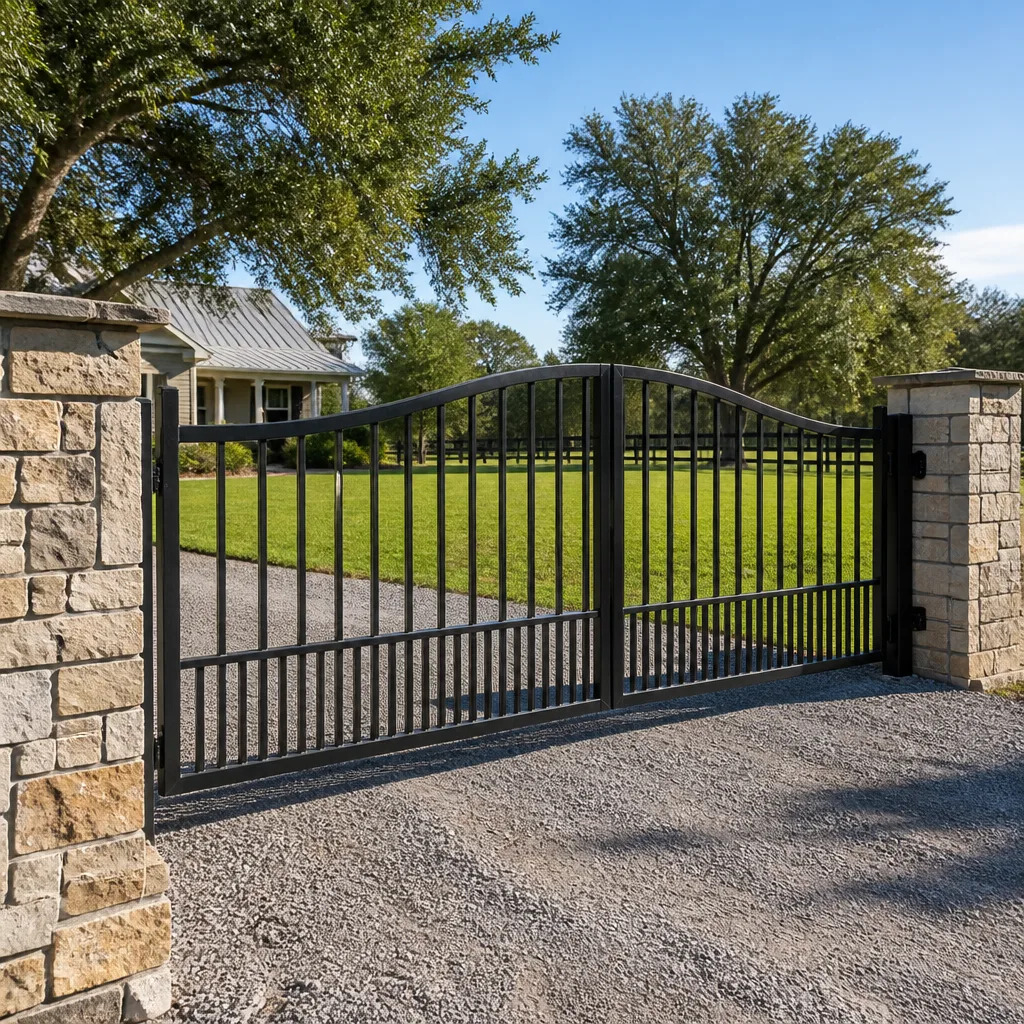 Farm & ranch
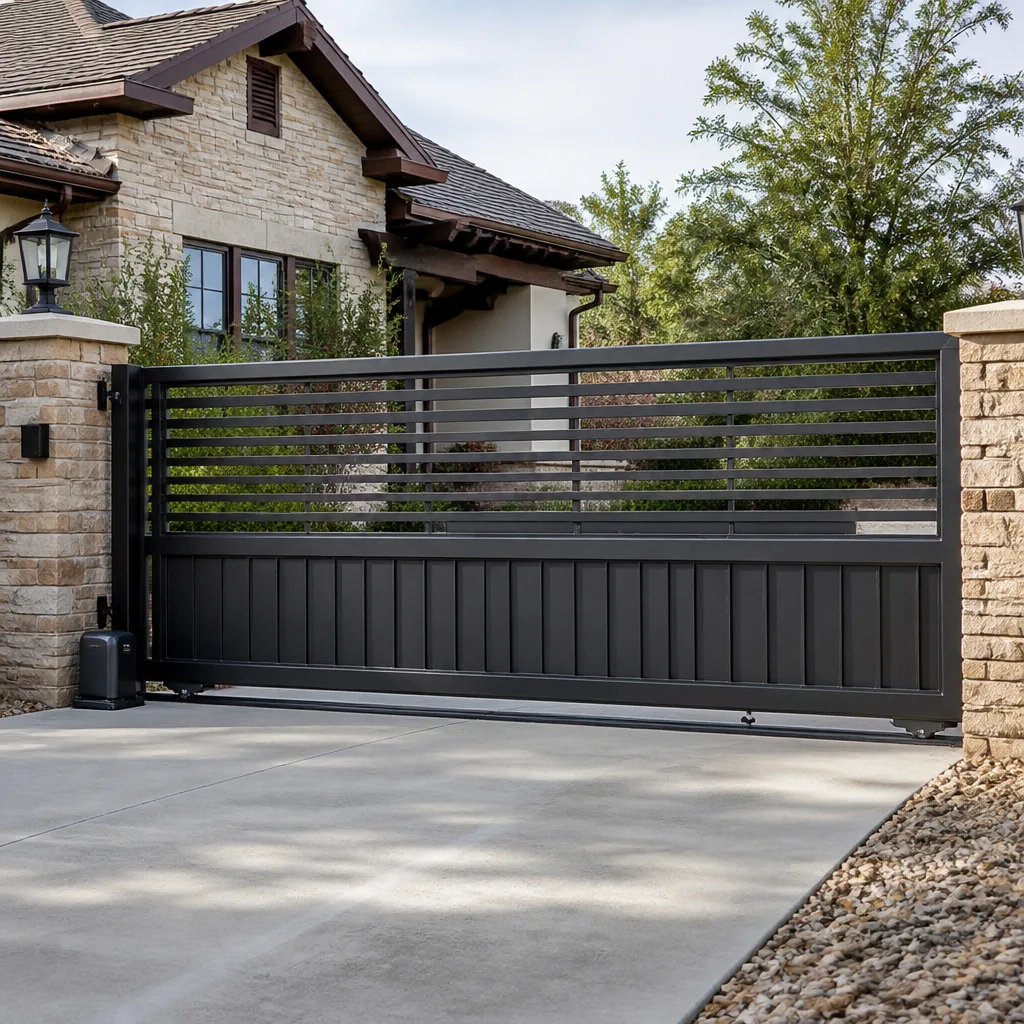 Sliding driveway gates
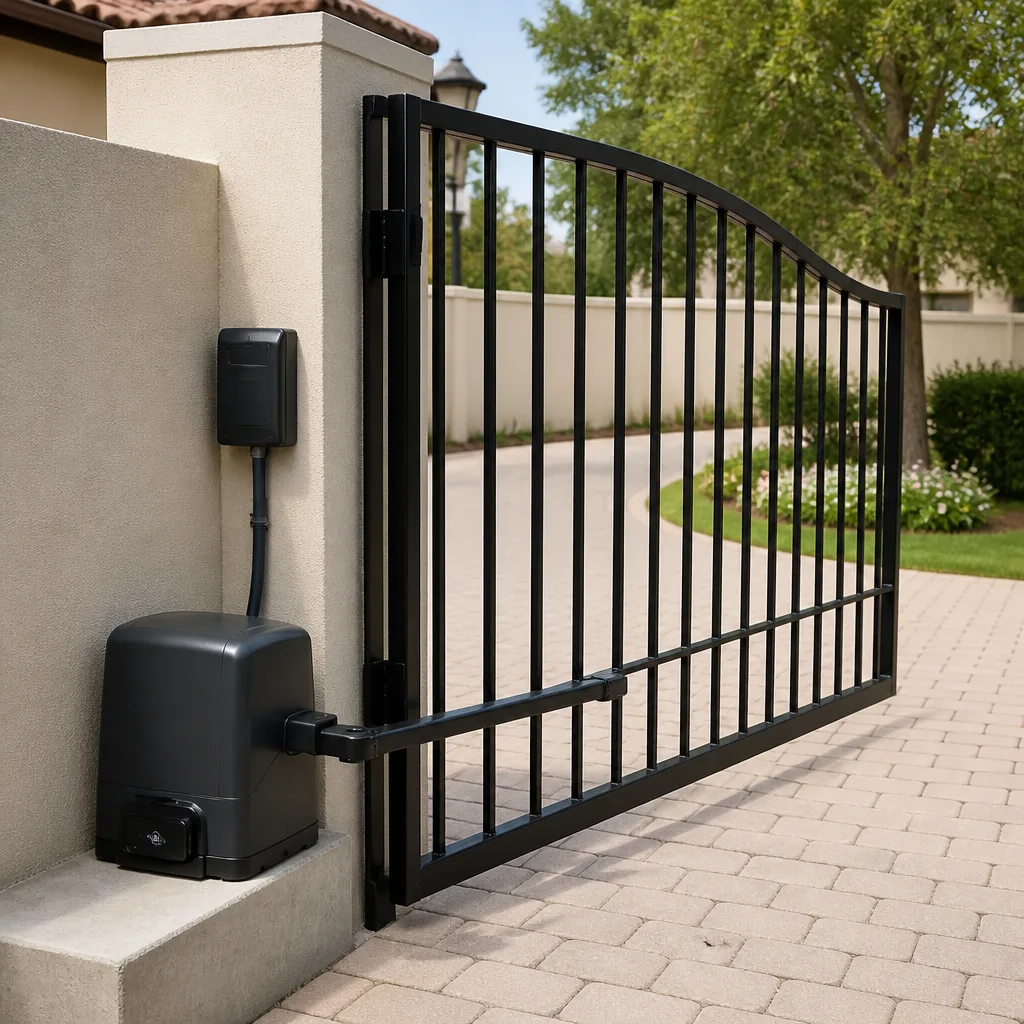 LiftMaster operators
Free on-site gate assessment - hinges, posts, and your LiftMaster or Nice gate operator checked before anything is quoted
The assessment is free and the quote is the invoice.
Get your free estimateGate Repair Warning Signs: A Fort Lauderdale Homeowner’s Reference Guide
Here’s something most gate repair guides won’t tell you: the gate that reverses three inches before closing is rarely a motor problem. In our experience across Fort Lauderdale, roughly eight out of ten times it’s a safety sensor coated in salt film or spider webs, a ten-second fix that some companies bill as a full sensor alignment service call. This guide exists to teach you the difference. You’ll learn to read what your gate is actually telling you, match symptoms to South Florida root causes, and know which warning signs mean “keep an eye on it” versus “call someone today.”
Styles & brands we work with
Quick Answer
The most common gate repair warning signs in Fort Lauderdale are slow movement, grinding or clicking sounds, random reversals, a dead remote, and a gate that won’t latch. Each symptom points to a different underlying cause, and in our coastal environment, salt corrosion, humidity, and insect activity play an outsized role. Knowing which sign matches which cause saves you from replacing a $400 control board when a $40 sensor cleaning was all you needed-something our Gate Repair services handle every day.
Table of Contents
- The Symptom Index: What Your Gate Is Telling You
- How Fort Lauderdale’s Climate Attacks Gate Hardware
- The Three Sounds That Diagnose Most Problems
- Monitor for a Week vs. Call Today: A Decision Framework
- How to Film Your Gate Problem the Right Way
- HOA Documentation: Protecting Yourself Before a Fine Arrives
- What Gate Repair Costs in Fort Lauderdale
- Common Mistakes to Avoid
- When to Call a Professional
- Frequently Asked Questions
- The Bottom Line
The Symptom Index: What Your Gate Is Telling You
Most homeowners describe gate problems the way they experience them: it’s slow, it’s loud, it stops halfway, the remote quit. That’s actually the right way to think about it. The symptom is what you observe, and the cause is what sits underneath. Here’s the index we use when a Fort Lauderdale homeowner calls us with a problem.
Slow gate movement
A gate that takes noticeably longer to open or close than it did a year ago usually points to one of three things in our area: a capacitor losing its charge in the opener motor, low battery voltage in a solar-powered system, or physical drag from misaligned rollers or hinges. In Fort Lauderdale’s humidity, we also see rust buildup on the gate track in coastal neighborhoods like Harbor Beach or Rio Vista faster than inland areas like Plantation. If your gate slows down over weeks rather than days, it’s likely mechanical drag. If it slows suddenly, suspect the capacitor or a failing battery.
Grinding noise during operation
Grinding almost always means metal-on-metal contact somewhere it shouldn’t be. On a sliding gate, that’s the roller wheels or the track. On a swing gate, it’s typically the hinge bearings or the opener arm bushings. Coastal salt air accelerates this wear. If you hear grinding from the operator box itself rather than the gate, you’re likely dealing with a stripped gear inside the opener, a common failure on older LiftMaster and Mighty Mule units after years of exposure to humid air.
Random reversals
The gate starts closing, then reverses as if something tripped it. In Fort Lauderdale, this is the symptom most often caused by dirty or misaligned photo-eye sensors. Spider webs, salt film, or even a palm frond that drifted in front of the beam will trigger a false obstruction. The gate thinks it hit something and backs off. Blowing out the sensor housing with compressed air and wiping the lens with a dry cloth solves a large share of these calls. If the reversal persists after cleaning, the sensor alignment or the control board logic is the next suspect.
Dead remote or keypad
If the wall button works but the remote doesn’t, you’re looking at a remote programming issue, a dead battery in the clicker, or a failed receiver board in the opener. If the keypad stopped working around the same time as the remote, suspect the receiver. If neither remote works but the keypad does, it’s usually the remote batteries or signal interference, something Fort Lauderdale homeowners near marinas or broadcast towers occasionally report.
Gate won’t latch or stay closed
A swing gate that reaches its closed position but doesn’t actually latch is a security problem, not just a convenience one. Common causes include a sagging gate that’s put the latch receiver out of alignment, a worn latch mechanism, or a limit switch that’s telling the opener to stop before the gate fully seats. In Fort Lauderdale, ground settling after heavy rain seasons is a real contributor to gate sag, especially on older concrete posts.
How Fort Lauderdale’s Climate Attacks Gate Hardware
If you’ve lived in Fort Lauderdale for more than a couple of years, you already know what salt air does to a car. Your gate is getting the same treatment, but it doesn’t get washed every week. Here’s what we see repeatedly on service calls from Coral Ridge to Victoria Park.
Salt corrosion on electrical contacts
Every connector, terminal, and splice in your gate system is a potential corrosion point. Salt in the air combines with humidity to form a light conductive film across terminals. Over time, this causes intermittent faults, voltage drops, and false sensor readings. The fix is usually simple: cleaning the terminals and applying dielectric grease. But if corrosion has worked its way inside the control board itself, you’re often looking at board replacement rather than cleaning.
Rust on mechanical components
Hinges, rollers, track, chain drives, opener arms. All of it rusts faster within a few miles of the coastline. We see gates in Las Olas Isles with more rust at five years than gates in Davie show at ten. Rust on the track creates drag, which makes the motor work harder, which shortens motor life. It’s a cascade. Lubricating hinges and rollers twice a year with a marine-grade lubricant slows this down considerably.
Insect and spider intrusion into sensor housings
Florida spiders love the dark, protected space inside a photo-eye housing. The web itself is usually the problem, not the spider. Even a few strands of silk across the lens can scatter the infrared beam enough to trigger false obstruction readings. This is the single most common cause of random reversals in our area, and it’s the one homeowners can fix themselves with a dry cloth and thirty seconds of attention.
Lightning and power surges
Fort Lauderdale ranks among the highest in the nation for lightning strikes per square mile. Summer thunderstorms mean power surges that can fry gate control boards. If your gate stops working immediately after a storm, a surge likely took out the board. A surge protector installed at the gate’s electrical service point is inexpensive insurance against this. We recommend it on every new opener installation in Fort Lauderdale, and we’re not alone in that recommendation among local contractors.
The Three Sounds That Diagnose Most Problems
When a Fort Lauderdale homeowner calls us and describes a sound, the right sound tells us most of what we need to know before we even dispatch a technician. Here’s how to interpret what you’re hearing, and what each sound points to on the major opener brands.
The click: a relay firing but no movement
You press the button, you hear a click from the operator box, but the gate doesn’t move. That click is the relay closing, which means the control board is receiving the command and trying to send power to the motor. If the motor doesn’t respond, the problem is either the capacitor (which gives the motor its starting jolt), the motor itself, or a connection between them. On FAAC and BFT units, this click-then-nothing pattern is frequently a failed start capacitor, a $25 part that takes fifteen minutes to swap. On older LiftMaster units, it can also indicate a thermal overload protector that’s tripped and needs to cool down before the gate will respond again.
The hum: motor straining against something
A humming sound that continues while the gate stays still means the motor is getting power but can’t move the gate. This is usually a physical obstruction: something jammed in the track, a seized roller, or a gate that’s just too heavy for the opener after years of rust and sag. A humming motor left running for more than a few seconds can overheat and burn out. If you hear a continuous hum, you definitely don’t want to keep pressing the button. On Mighty Mule and Ghost Controls units, this symptom can also point to a worn limit switch that fails to stop the motor at the end of travel, leaving it stalled and humming against the physical stop.
The grind: metal teeth losing their grip
A grinding or rattling sound coming from the operator box is almost always a gear problem. Inside most residential swing gate openers, a plastic or nylon gear rides against a metal worm gear. When that plastic gear wears down, the two surfaces slip against each other instead of meshing cleanly. That’s the grinding sound. On LiftMaster openers, this is a well-known failure point. The repair is a gear replacement kit, but if the gate has been grinding for months, the worm gear may be scored too, and the whole operator may need replacement. The rule we tell customers: grinding from the operator box is a “call soon” condition. It won’t fix itself, and it gets more expensive the longer it waits.
Monitor for a Week vs. Call Today: A Decision Framework
Not every warning sign is an emergency. Some problems progress slowly and can wait a few days while you gather information. Others mean your property is unsecured or someone could get hurt. Here’s the honest framework we use when Fort Lauderdale homeowners ask us whether something is urgent.
Safe to monitor for a week
- Slow movement that developed gradually. If the gate has been getting slower over several weeks, you have time to observe and document. Pay attention to whether it’s worse after rain, in the morning, or only on hot afternoons.
- Intermittent remote failures. If the remote works most of the time but occasionally requires a second press, it’s likely a battery or signal issue rather than a failing board.
- Light surface rust on hinges or track. Clean it, lubricate it, and watch for further deterioration. You’re not in danger; you’re in maintenance.
- A gate that reverses only in direct sunlight. This is usually sun glare interfering with the photo-eye beam. Adjusting the sensor angle or shading the lens often solves it. It doesn’t mean the safety system has failed; it means it’s overzealous.
Call for same-day service
- The gate won’t close at all. A gate stuck open means anyone can enter your property. In Fort Lauderdale, a gate left open overnight is an invitation.
- The gate won’t open and your car is trapped inside. This is urgent for obvious reasons. Most openers have a manual release, but if you don’t know where it is or it’s also stuck, you need help now.
- Sparks, smoke, or a burning smell from the operator box. Cut power at the breaker and call. Do not keep testing it.
- A gate that slams closed or reversed onto a vehicle or person. This means the safety system has failed. The gate is now dangerous. You need it locked in place until a professional can repair it.
If the gate is stuck open and you can’t be home to watch it, put a call in anyway. A live person answers at (754) 354-2542 around the clock, and the work on your Gate Repair in Fort Lauderdale is always quoted in writing before the technician picks up a tool.
How to Film Your Gate Problem the Right Way
A ten-second smartphone video can cut a service call down by half. But most people film gate problems from inside their car or from across the street, and the video shows almost nothing useful. Here’s how to capture what a tech actually needs to see.
- Film from the hinge side, not the street side. The hinge, opener arm, and track are where most problems happen. Position yourself so those components are in frame.
- Start the video before you trigger the gate. The first second of movement is often the most diagnostic. If you start recording after it’s already moving, you miss it.
- Hold the phone steady and get close. We don’t need cinematic footage. We need to see the gap between the gate and the post, the condition of the track, and the color of the sensor lens. Get within three feet if you can.
- Narrate what you’re about to do. Say out loud: “I’m pressing the remote now.” Then describe what you hear. Your live description of the click, hum, or grind is as useful as the video itself.
- Film the operator box with the cover off if you’re comfortable doing so. A shaky five-second clip of the inside of the box, showing wire connections and the gear assembly, helps us pre-diagnose before we arrive. If you’re not comfortable opening the box, skip this step. The rest of the video is usually enough.
Send the video to the technician before they dispatch. A gate repair company that can take a video and form a working diagnosis before rolling a truck is one that respects your time and your money. It’s also how you avoid paying for a full diagnostic visit when the fix turns out to be a sensor wiped clean.
HOA Documentation: Protecting Yourself Before a Fine Arrives
If you live in a Fort Lauderdale covenant community, Pine Crest Village, Coral Ridge Isles, Imperial Point, or any of the dozens of HOA-governed neighborhoods in the city, your gate is not entirely yours. Most HOAs require gates to be functional and aesthetically consistent. A sagging, rusted, or inoperable gate can trigger a violation notice, and if you don’t respond within the window, a fine follows.
How to handle it before it becomes a fine
- Read the violation notice carefully. It will state what specifically needs to be corrected and by when. Usually you have 10 to 30 days.
- Photograph the gate condition on the day you receive the notice. A timestamped photo shows due diligence if you later need to request an extension.
- Request a quote from a gate repair company the same week. A written quote serves two purposes: it gives you a real price, and it gives you documentation to show the HOA that the repair is scheduled. Most HOAs will extend their deadline when they see evidence of an active repair order.
- If the repair requires parts that aren’t in stock, ask the HOA for an extension in writing. A gate opener circuit board or a custom hinge may take a week or more to arrive. HOAs in Fort Lauderdale are generally reasonable when you’ve documented the process.
- Keep the invoice after the repair is done. If the gate issue was severe enough, the HOA may ask for proof the repair was completed. A digital invoice from a company that documents its work is your paper trail.
We’ve handled many HOA-driven repairs in Fort Lauderdale. The single thing that saves homeowners the most money is responding to the first notice the same week they get it. Waiting until the second notice is when the fine bracket escalates.
What Gate Repair Costs in Fort Lauderdale
Gate repair pricing in Fort Lauderdale isn’t standardized, and you should be skeptical of any company that quotes a single flat rate without seeing the gate. What we can give you is the realistic range we see across the city, broken down by the type of repair.
- Safety sensor cleaning or realignment: $85 to $150. This is the most common repair we do, and it’s usually done in under an hour.
- Photo-eye replacement: $120 to $220 for the part and labor on most brands. Mighty Mule sensors run on the lower end; FAAC sensors on the higher end.
- Gear replacement in a swing gate opener: $180 to $350 depending on the brand and how difficult the operator is to access. LiftMaster gear kits are widely available and competitively priced; BFT and FAAC gears cost more.
- Control board replacement: $250 to $600. The board itself is usually $150 to $400 depending on brand, plus labor. A lightning-damaged board on a Viking or DoorKing opener often lands in the $400 to $550 range all-in.
- Track or roller replacement on a sliding gate: $200 to $450. A full track replacement is labor-intensive and the parts are heavy.
- Complete opener replacement: $800 to $2,500 installed depending on the brand, the gate’s weight, and whether a new receiver, keypad, or battery backup is included.
These are Fort Lauderdale market prices, and they vary by neighborhood and the age of the equipment. The non-negotiable part is that you get the price in writing before the work starts. Every repair from Calder Gate Repair Fort Lauderdale includes a written quote, a written guarantee, and a free second visit within the 365-Day Done Right Promise window if the repair doesn’t hold. Those three things are standard on every job we do in Fort Lauderdale, not upgrades you have to ask for.
Common Mistakes to Avoid
- Spraying WD-40 into the operator box. WD-40 is a solvent, not a lubricant, and it destroys the grease on the gears that actually need it. Use a lithium or marine-grade grease on moving metal parts, and keep sprays away from the control board entirely.
- Replacing the remote before checking the receiver. We see homeowners in Fort Lauderdale buy a $60 replacement remote, program it, and get the same result because the receiver board on the opener was the problem all along.
- Ignoring a reversing gate because “it still closes eventually.” A gate that reverses randomly is a gate that will someday hit a car, a child, or a delivery driver. The safety system is telling you something. Listen to it.
- Letting a rusting track go untreated for a full season. Rust accelerates rust. What would have been a $45 lubrication and wire-brush job in October becomes a $300 roller replacement by March.
- Assuming the HOA will give you more time if you just don’t respond. They won’t. Fort Lauderdale HOAs have violation timelines, and silence reads as non-compliance. Answer the first notice.
- Testing a humming gate motor repeatedly. Every time you press the button on a stalled motor, you’re heating the windings and shortening its life. A humming gate means “stop pressing and call.”
- Hiring a generalist handyman for a brand-specific opener problem. A LiftMaster board behaves differently from a FAAC board, and a BFT gate has different limit switch logic than a Mighty Mule. Brand-specific experience matters more than the average homeowner expects.
When to Call a Professional
You should call a gate repair professional when the gate won’t secure your property, when the safety systems are behaving unpredictably, when you hear grinding from the operator box, or when you’ve cleaned the sensors and the reversal problem persists. If your gate won’t close and you’re leaving for work, call immediately. If you’ve documented the problem on video and tried the basic fixes in this guide, and the symptom is unchanged, that’s the moment to bring in someone who works on these systems every day. For help choosing the right professional, see How to Hire a Gate Repair Contractor in Fort Lauderdale: A Step-by-Step Guide. Calder Gate Repair Fort Lauderdale offers free estimates in Fort Lauderdale, dispatches background-checked technicians in uniform with a live, trackable arrival time, and writes up every quote before work begins. Call (754) 354-2542 and a real person answers, any hour.
If you’re dealing with an electric opener specifically, start with our Electric Gate Repair in Fort Lauderdale page for a fuller breakdown of opener-specific problems. And if the opener is the confirmed point of failure, the Gate Opener Repair in Fort Lauderdale page covers the brand-specific repair approach in depth.
Frequently Asked Questions
Check the photo-eye sensors. Wipe both lenses with a dry cloth, blow out any spider webs or debris, and make sure nothing is blocking the beam path. In Fort Lauderdale, salt film and spider silk are the leading causes of false reversals. If the gate still reverses after cleaning, call (754) 354-2542 for a free estimate because the sensor alignment or control board may need attention.
Most common repairs run between $85 and $450, with sensor cleaning at the low end and gear or track replacement at the high end. Control board replacement and full opener replacement run higher, from $250 to $2,500 depending on the brand and the scope of work. You should always receive a written price before the repair begins. Call (754) 354-2542 and we’ll quote your specific gate in writing before any work starts.
No, not for long. Grinding means metal or plastic gear surfaces are wearing against each other, and every cycle makes the problem worse. If the grinding is coming from the operator box, stop using the gate and call a professional. The longer it grinds, the more likely you’ll need a full opener replacement instead of a gear kit. Call (754) 354-2542 and describe the sound; we’ll tell you what you’re likely dealing with before a technician arrives.
Usually, yes. The most common storm-related failure in Fort Lauderdale is a control board damaged by a power surge, and boards can be replaced. If your gate has no power at all, check the breaker first, then check the GFCI outlet if the opener plugs into one. If the breaker is fine and the gate still won’t respond, you’re likely looking at a board or transformer replacement. Call (754) 354-2542 for an exact diagnosis; we see storm-damaged gates every summer and can tell you the likely fix over the phone.
Yes. Our technicians are trained on nine major opener brands including Mighty Mule, LiftMaster, FAAC, BFT, Linear, Viking, Ghost Controls, DoorKing, and Elite. Brand-specific experience matters because a Mighty Mule board behaves differently from a LiftMaster board, and vice versa. Call (754) 354-2542 and tell us your brand; we’ll match you with a technician who knows that equipment.
The 365-Day Done Right Promise is a written guarantee included with every repair: if the repair fails within 365 days, we return to make it right at no charge. It’s a standard part of every job from Calder Gate Repair Fort Lauderdale, not an add-on. Combined with a written price before work starts and a live person answering the phone 24/7, it’s the three-part standard we call The Relay Standard. The full Calder Gate Repair Fort Lauderdale home page explains how it works in the booking-to-invoice experience.
The Bottom Line
A gate speaks in symptoms: speed, sound, reversals, and silence. Learning to read those symptoms in Fort Lauderdale’s climate, salt air, humidity, storms, and insect life, saves you money and keeps your property secure. For ongoing protection, see our Seasonal Gate Repair Care for Fort Lauderdale: Year-Round Homeowner’s Guide. The reversal you can fix with a dry cloth is not the same as the grind that’s eating your gears, and knowing which is which is the difference between a $40 maintenance task and a $400 replacement. When the symptom says “stop using the gate and call,” do that. Calder Gate Repair Fort Lauderdale answers the phone at (754) 354-2542 any hour, writes every price before the work starts, and stands behind every repair with the 365-Day Done Right Promise.
Written by Nico Alvarez, Owner at Calder Gate Repair Fort Lauderdale, serving Fort Lauderdale since 2009.
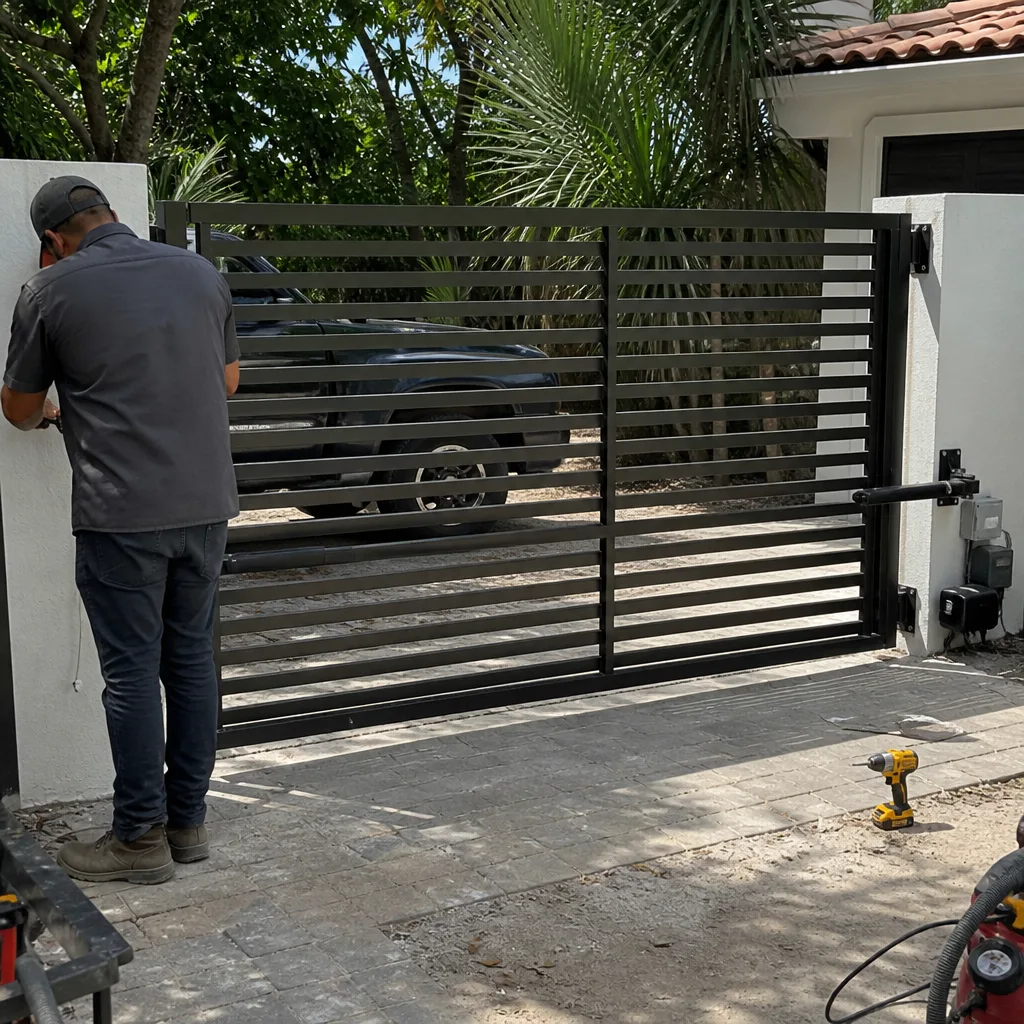
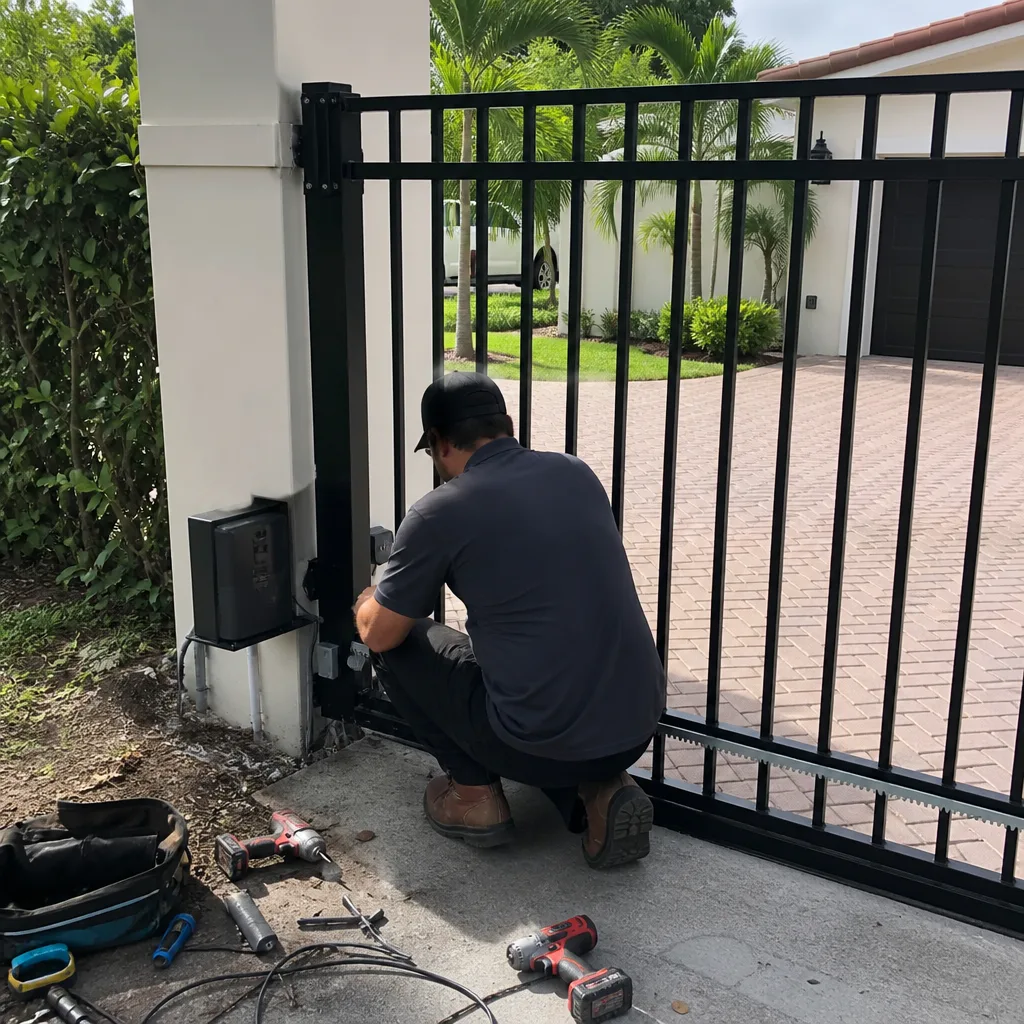
See the difference
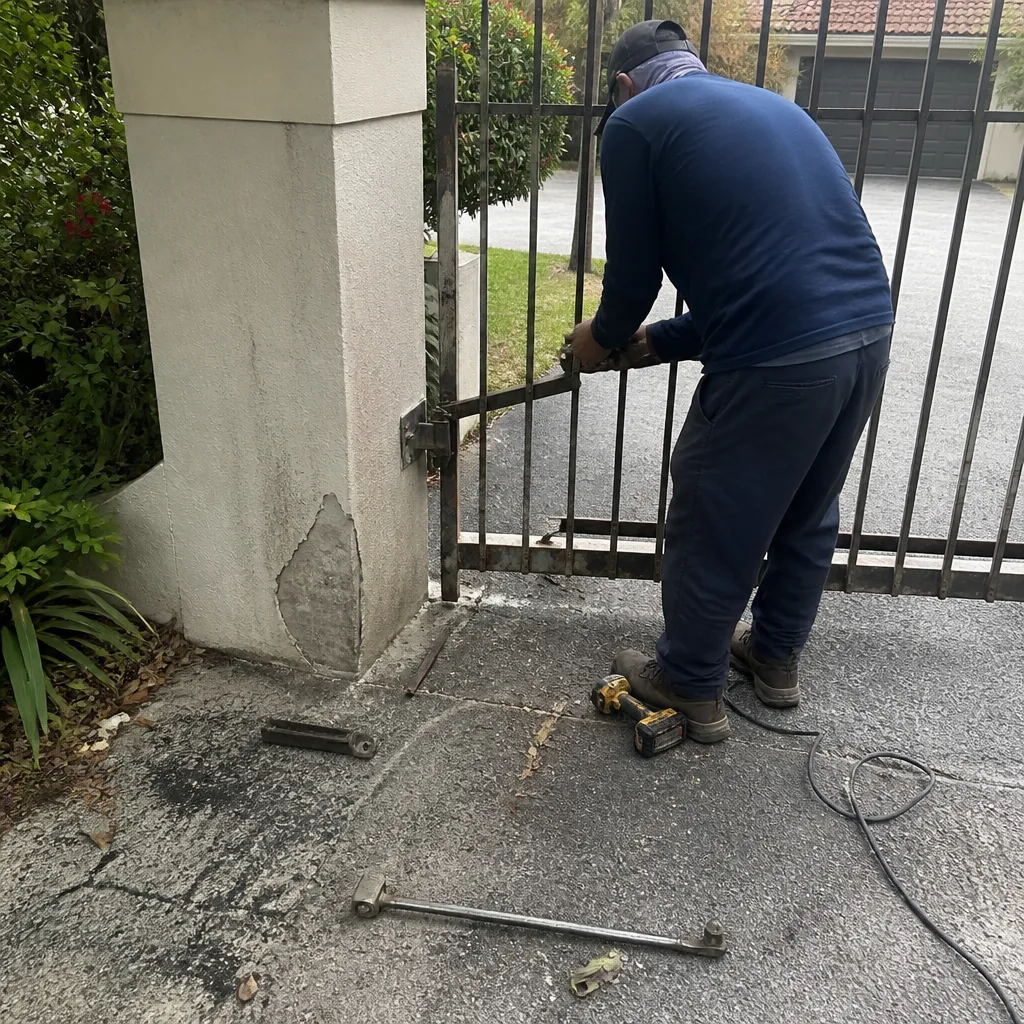 Before
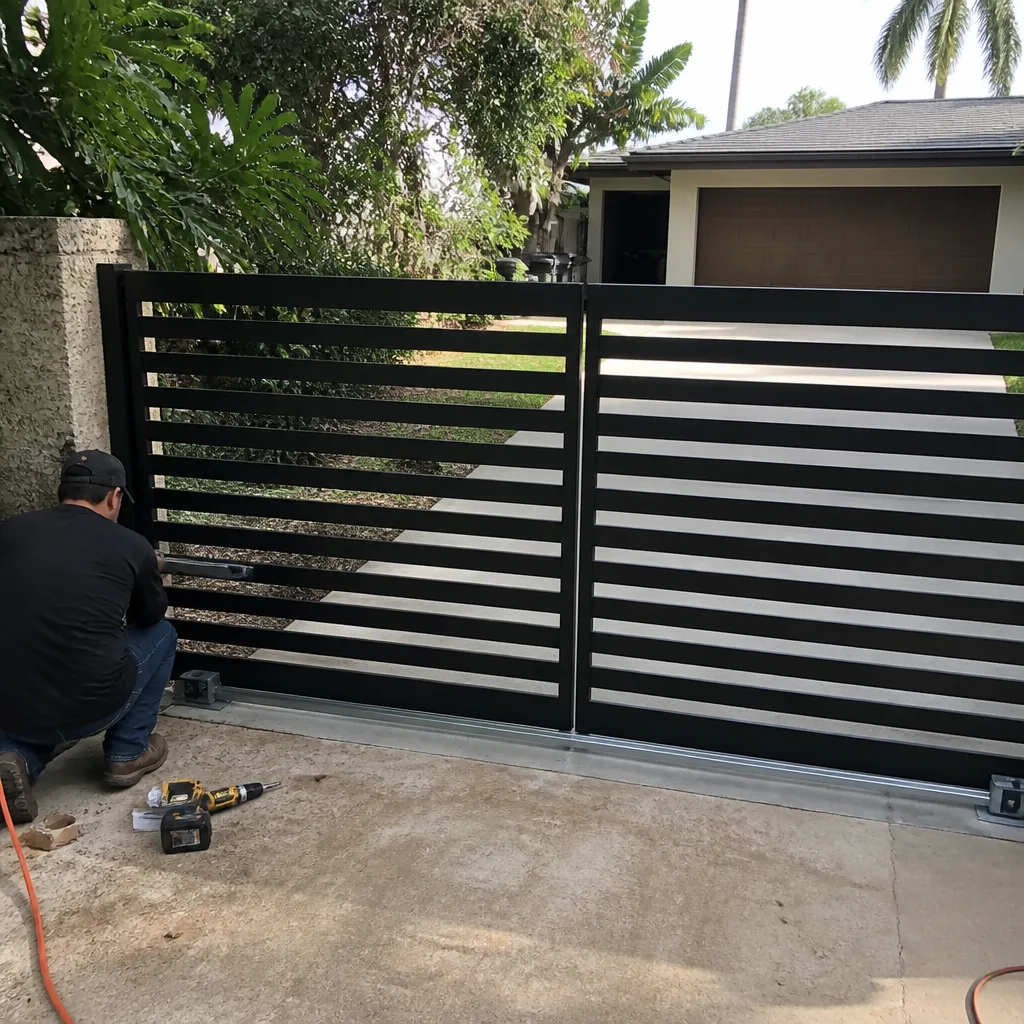 After
After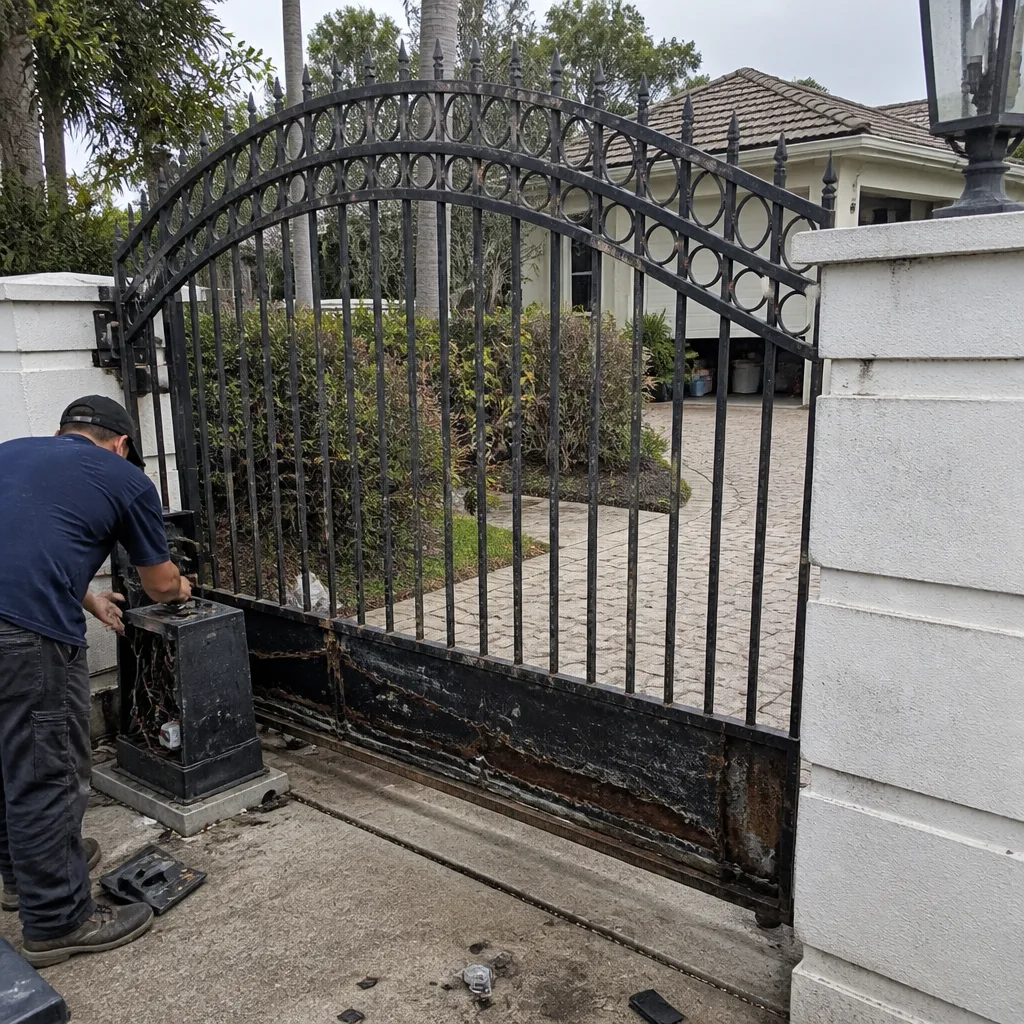 Before
 After
After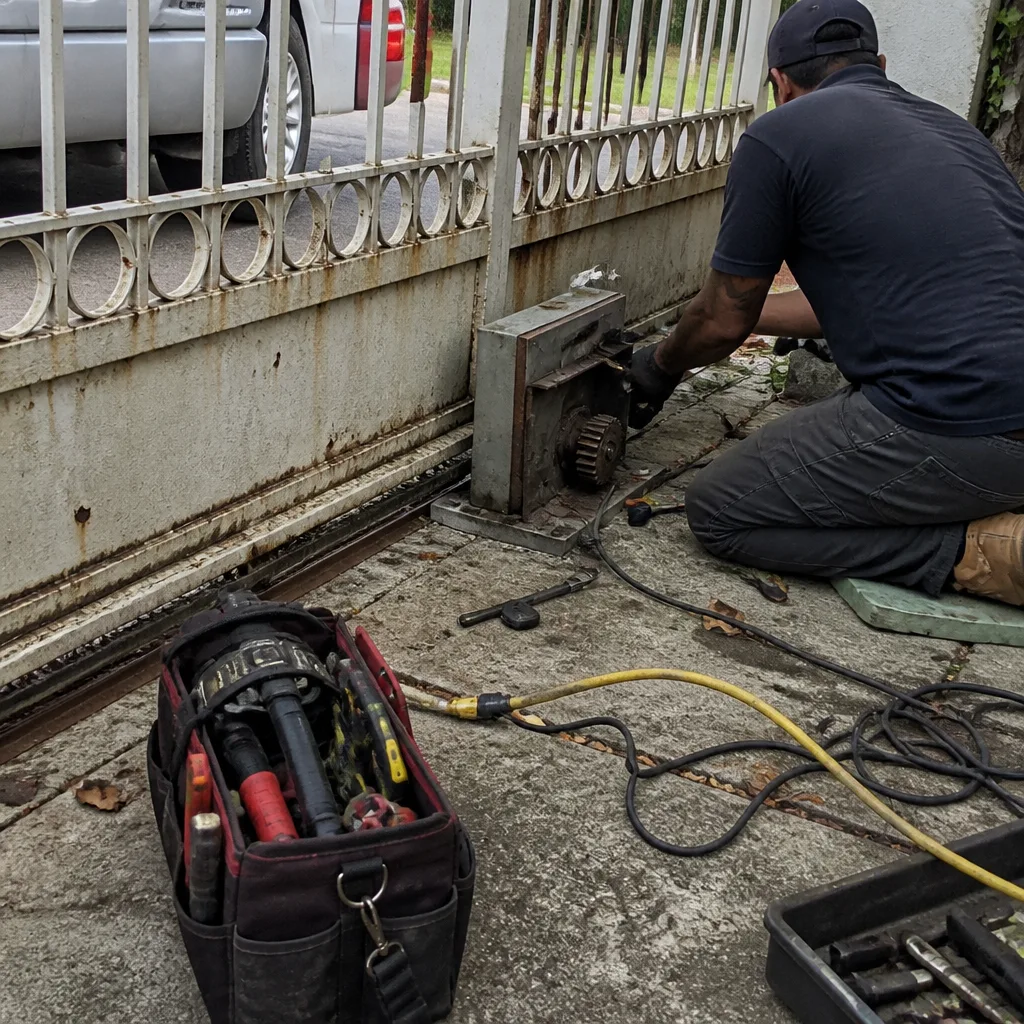 Before
 After
After